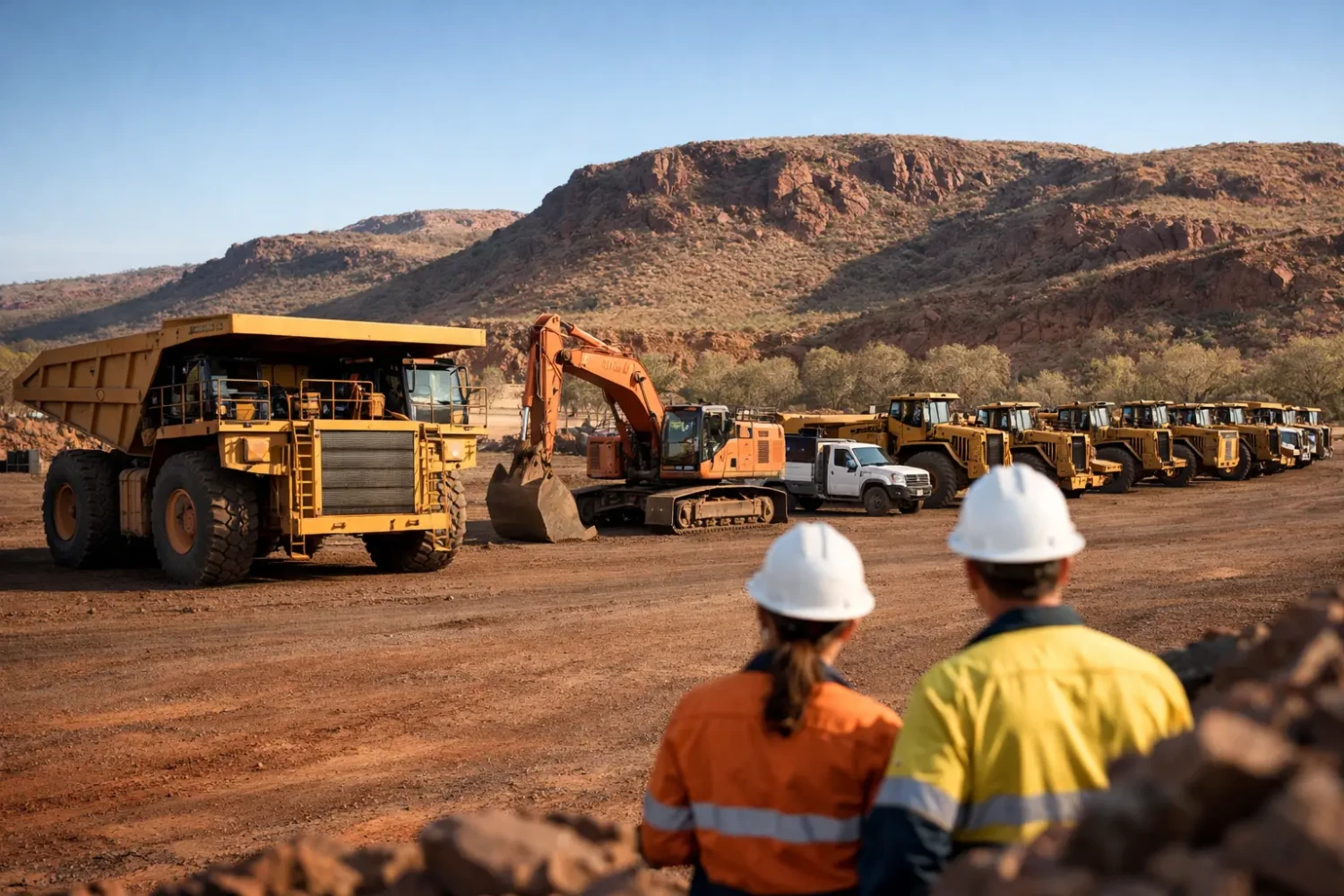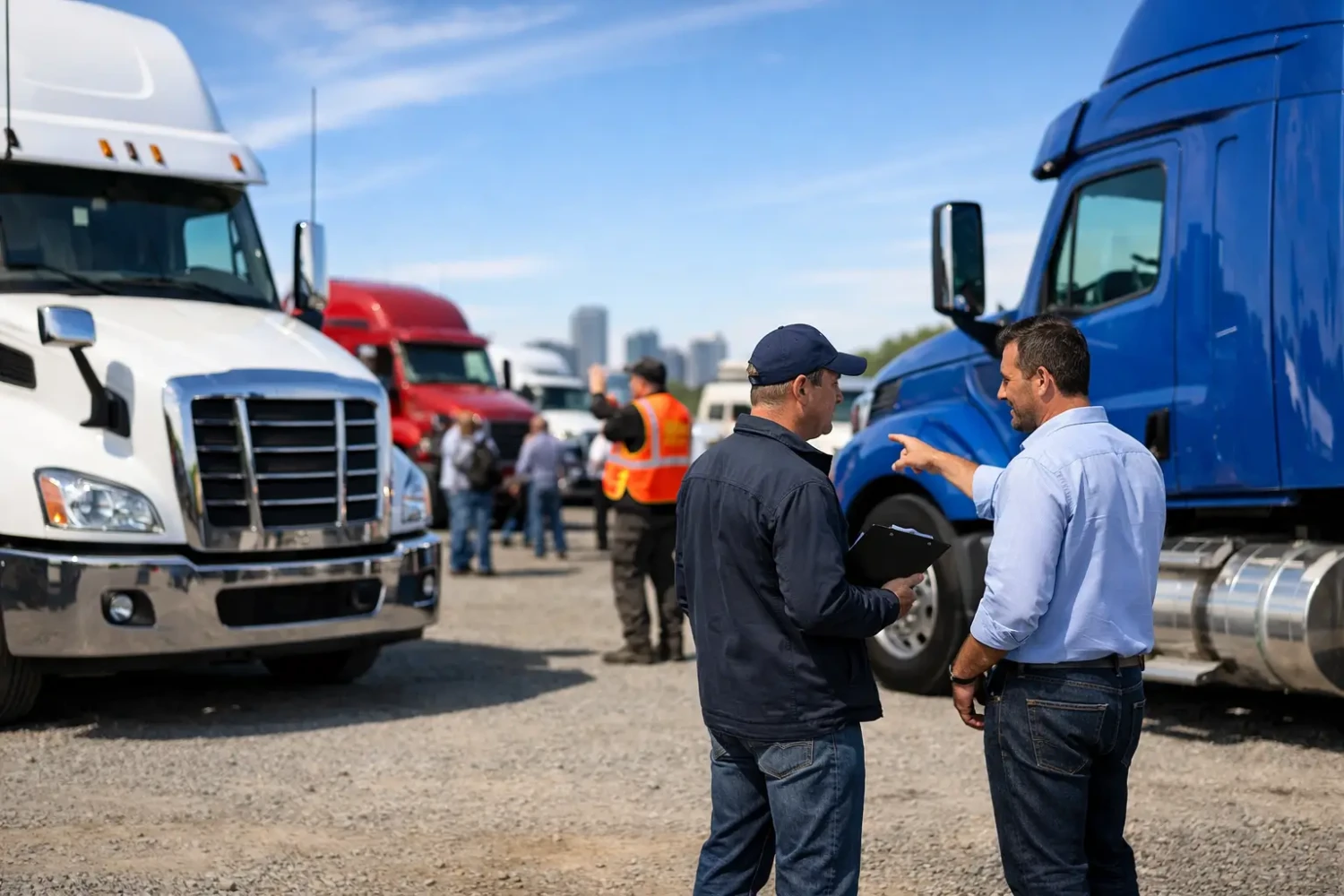

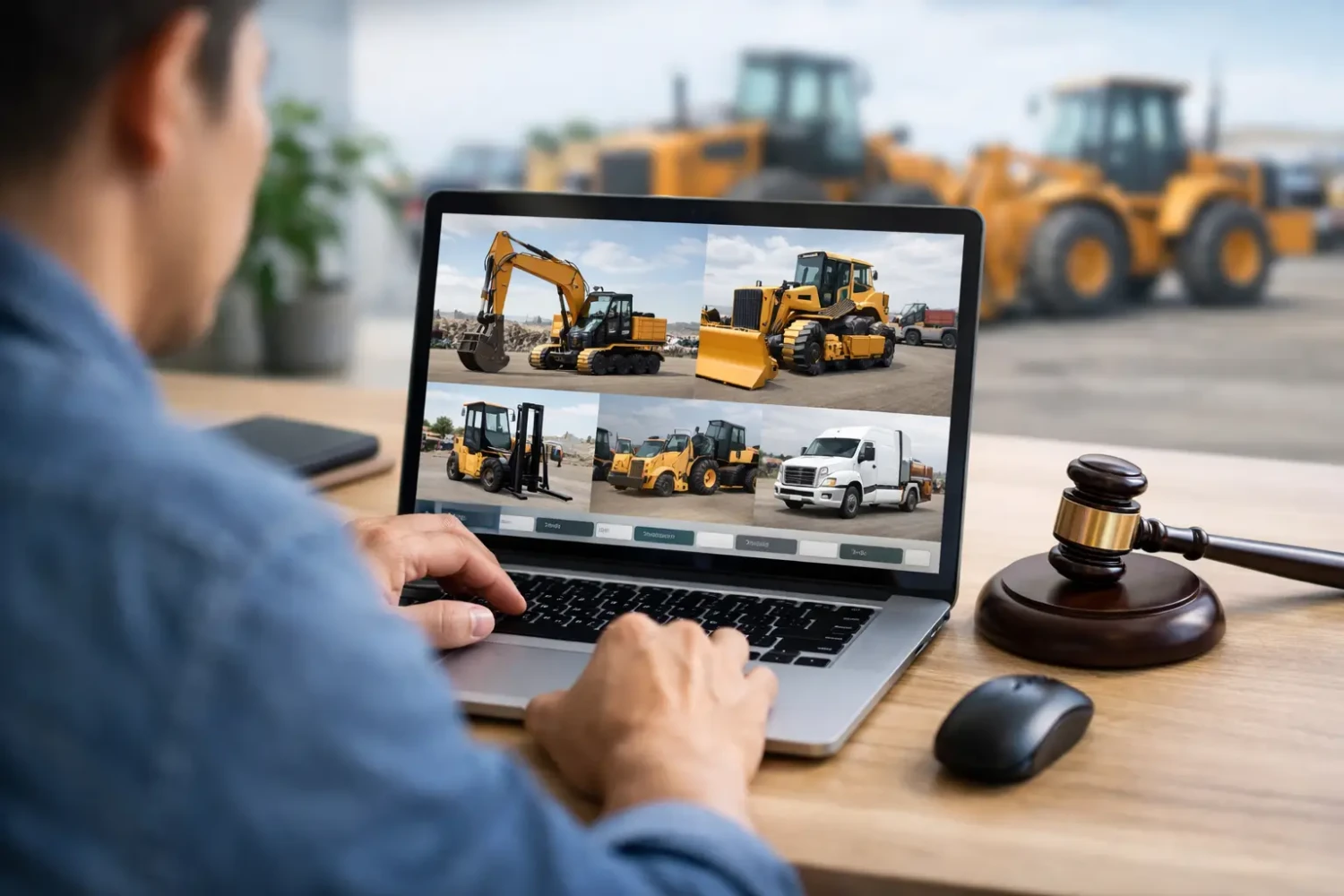
A late-model excavator, a surplus prime mover, a set of workshop machines or a hard-to-source header can all change hands without anyone standing in a sale yard. That is usually the first question buyers and sellers ask - how do online equipment auctions work when the asset is high-value, specialised and often interstate? The short answer is that the process is structured, timed and transparent, but the details matter if you want to buy well or sell without delays.
## How do online equipment auctions work in practice?
At a practical level, an online equipment auction is a digital sale where listed assets are offered for bidding over a set period. Buyers register, review the lot information, place bids and compete until the auction closes. The highest valid bid at the end of the timed period usually wins, subject to any published terms such as reserve prices, bid increments, buyer's premium and settlement deadlines.
That sounds simple enough, but online auctions work well because the rules are visible before anyone places a bid. The lot listing should tell buyers what the asset is, where it is located, whether GST applies, what condition details are available, how inspections are handled, and when payment and collection must happen. For sellers, the platform should make it clear what fees apply, how the asset is marketed and what support is available during listing and settlement.
For commercial assets, the main advantage is reach. A grader in regional Queensland or [a transportable](https://www.nextgenauctions.com.au/auction-category/plant-hire-transportable-buildings-sea-containers-auctions-australia) in Western Australia is no longer limited to the local crowd. Online bidding opens the sale to buyers across Australia, which can lift competition on sought-after equipment and move surplus stock faster.
## The auction process from listing to settlement
Most online equipment auctions follow the same broad sequence, even though each auction house has its own terms.
### 1. The asset is registered and listed
The seller submits the asset details, supporting documents and photos. That may include make, model, serial number, hours, condition notes, service history and known faults. If the asset is specialised, extra detail matters. A buyer looking at a dozer, tipper, compressor or [grain auger](https://www.nextgenauctions.com.au/auction-category/specialist-agricultural-machinery-auctions-australia) wants more than a one-line description.
This stage affects the result more than many sellers realise. Clear listings reduce wasted enquiries and help buyers bid with confidence. Poor descriptions do the opposite. If the hours are unverified, the machine is untested or there is damage, that should be stated plainly.
### 2. Buyers register to bid
Before bidding, buyers usually need to create an account and accept the auction terms. Some platforms may verify identity or require a card authorisation or deposit, particularly for high-value assets. That is not red tape for the sake of it. It helps keep bidding genuine and protects the sale process.
For serious buyers, registration is also the point to read the conditions properly. Fees, GST treatment, payment deadlines and collection requirements are part of the real purchase price and timeline.
### 3. The inspection period opens
Online does not mean blind. Many lots are available for inspection by appointment or during set viewing times. For equipment, this is often where the real buying decision happens. Photos and videos help, but they do not replace checking wear, leaks, attachments, tyres, tracks, compliance plates or startup performance.
Not every buyer can inspect in person, especially when the asset is interstate. In that case, it is common to use a trusted mechanic, operator or transport contact to inspect on your behalf. The further the asset is from your base, the more this step matters.
### 4. Bidding takes place during the timed auction
Once the auction goes live, registered buyers place bids against the lot. The system will usually show the current bid, and sometimes whether the reserve has been met. Bids move in set increments so the sale stays orderly.
Many buyers wait until late in the auction to bid. That can be a strategy, but it is not always the best one. Early bidding can show intent and stop you missing the lot altogether. Late bidding can work if you know your limit and are ready to act. Either way, disciplined bidding matters more than timing tricks.
Some timed auctions also use closing extensions. If a bid is placed in the final moments, the closing time may extend briefly to give other registered bidders a fair chance to respond. That helps prevent last-second sniping and keeps the process transparent.
### 5. The winning bidder is invoiced
When the lot closes, the highest approved bid wins if all auction conditions are met. The buyer then receives an invoice setting out the hammer price, buyer's premium, GST if applicable, and any other charges stated in the terms.
This is where buyers need to stay commercially sharp. A bid is not just the number on screen. If there is a 10% buyer's premium, that must be added to your bid price, along with GST where relevant and transport or removal costs. For heavy equipment, freight can materially change whether the deal still stacks up.
### 6. Payment and collection are completed
After payment clears, collection is arranged within the stated timeframe. Some assets are straightforward - drive away, tow away or load to a trailer. Others require inducted carriers, cranes, special permits or site coordination.
For sellers, prompt collection is more than an admin issue. Delayed pickups can create storage, access and risk problems. For buyers, missing the collection window can trigger extra costs. The best auction outcomes happen when both sides treat settlement as part of the sale, not an afterthought.
## What buyers should check before bidding
If you are buying equipment online, the process is efficient, but it still rewards homework. Start with the listing itself. Check what is actually being sold, whether accessories are included, if the description says unreserved or subject to reserve, and whether the asset is sold as is, where is.
Then check the commercial details. Look at the buyer's premium, GST treatment, payment deadline and collection terms. A machine that looks well-priced can end up expensive once all costs are counted.
Condition is the next major issue. Some assets are fully operational and recently used. Others are ex-fleet, decommissioned, damaged, surplus or salvage. None of those categories are automatically bad buys, but they are different buys. A working contractor may accept cosmetic wear if the machine is ready to go. A dealer may buy non-runners if the numbers allow for repairs or parts recovery.
Transport is another point buyers often underestimate. A compact tractor and a 40-foot transportable sit in completely different freight categories. Before you bid, know what it will take to get the asset from site to your yard.
## What sellers should understand before listing
For sellers, online equipment auctions are usually about speed, reach and clearing stock with less friction than private treaty sales. They are well suited to surplus machinery, fleet turnover, end-of-project assets, receivership stock, farm dispersals and specialty items with a national buyer pool.
That said, not every asset should be handled the same way. A common, well-understood machine in tidy condition may attract strong bidding with standard listing detail. A niche processing plant, mining-related asset or unusual transport unit often needs stronger documentation, more photos and realistic expectations on buyer type and sale timing.
Reserve pricing also needs thought. Set too high, it can slow the sale and limit buyer engagement. Set too low without understanding market demand, and you may leave money on the table. Good auction strategy is about balancing urgency with market reality.
Fee structure matters as well. Sellers should know exactly what the platform charges and when. A transparent model reduces disputes and makes the net return easier to calculate. That is one reason many commercial sellers prefer a clearly stated structure over vague or layered fees. On a platform such as NextGen Auctions & Marketplace, the no Vendor's Premium model is straightforward for sellers, while buyers can see the stated 10% Buyer's Premium upfront.
## Why online auctions suit equipment sales
Equipment auctions work online because they match the way commercial buyers already operate. Farmers, contractors, plant managers, dealers and asset teams are used to assessing specifications, comparing condition and making quick purchase decisions across state lines.
The online format also suits category breadth. A sale can include earthmoving gear, trucks, utes, caravans, workshop equipment, livestock infrastructure, [marine assets](https://www.nextgenauctions.com.au/auction-category/marine-auctions-australia) or valuables in the same broader marketplace while still letting buyers filter into the categories they actually need. That improves exposure without forcing every buyer through the same lane.
The trade-off is that digital convenience does not remove the need for judgement. Buyers still need to inspect where possible, budget accurately and understand the terms. Sellers still need honest listings and realistic reserves. The technology makes the process faster. It does not replace commercial common sense.
If you are looking at online equipment auctions for the first time, treat them the way experienced operators do - know the asset, know the fees, know the pickup plan, and bid or list with a clear number in mind. That is usually where the best deals are made.