A gemstone listing can look sharp on screen and still leave plenty unsaid. If you want to buy certified gemstones online, the real job is not spotting a pretty stone. It is checking whether the certificate, treatment disclosure, images, seller terms and pricing all line up well enough to justify the bid or purchase.
That matters even more in an auction setting, where timing is tighter and comparison shopping can be harder once bidding starts moving. For Australian buyers, the best results usually come from treating gemstones the same way you would treat any high-value asset - verify the paperwork, understand the condition, and know exactly what you are paying before you commit.
What certification actually tells you
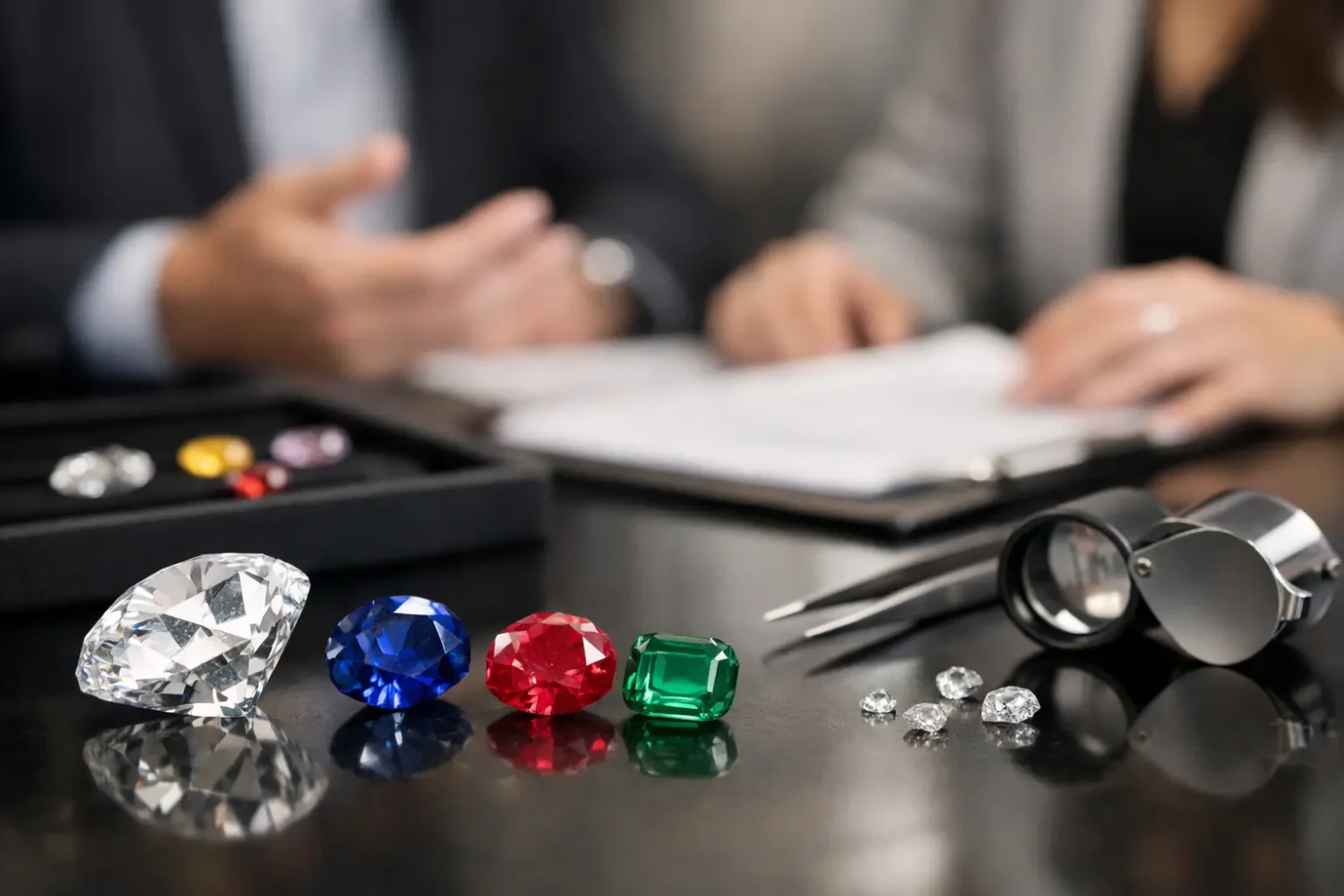
A certificate is not a sales pitch. It is an independent document that records the characteristics of the stone as assessed by a gemmological laboratory. Depending on the gemstone, that can include species, variety, weight, measurements, colour, cut style, transparency, origin opinions in some cases, and whether treatments were detected.
That last point matters. In coloured stones, treatment is common and not automatically a problem. Heating in sapphire and ruby, for example, can be accepted by the market. The issue is whether the treatment has been disclosed clearly and reflected properly in the price. A certified stone gives you a stronger basis for that judgement than a listing with vague language and no supporting document.
Certification also helps separate natural stones from synthetics, simulants or assembled stones. If you are spending serious money, that distinction is not optional. It should be confirmed, not assumed.
How to buy certified gemstones online without guesswork
The safest approach is to slow the process down, even when the listing is pushing urgency. A gemstone should hold up under scrutiny.
Start with the certificate itself. Check the issuing laboratory, the certificate number, the date, and whether the details match the listing exactly. Carat weight, dimensions and stone description should be consistent across both. If the vendor states the stone is untreated but the certificate says evidence of heating or another enhancement is present, that is a clear problem.
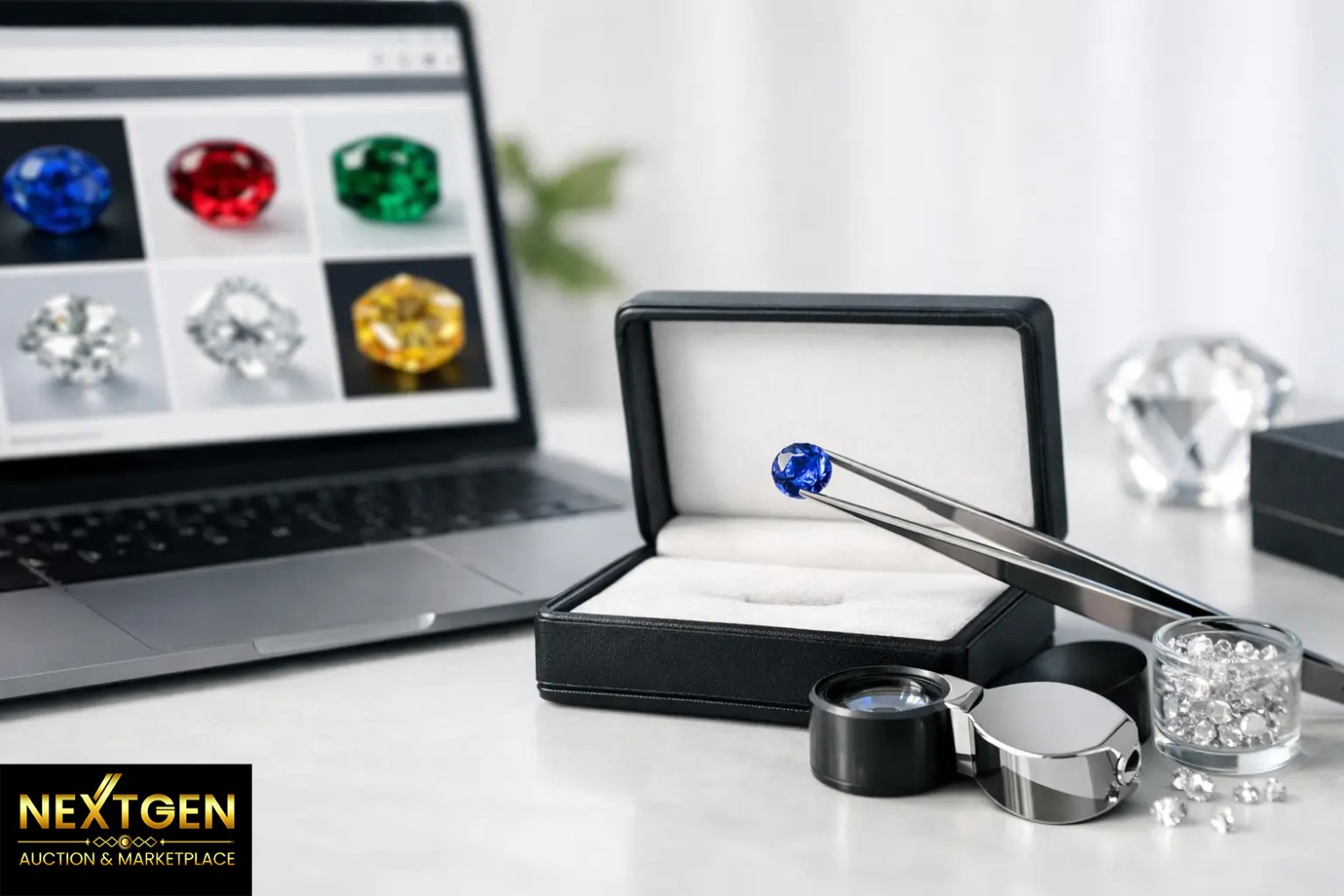
Then assess the listing images and videos against the paperwork. A certificate might confirm species and treatment status, but it does not guarantee that the images show every inclusion, windowing issue, extinction area or chip. Good sellers provide multiple angles, accurate dimensions and plain wording around visible features. If a stone is described as eye-clean, the images should not suggest otherwise.
You should also read the commercial terms with the same care. Buyer’s Premium, GST treatment, shipping, insurance, return rights and payment deadlines all affect the real cost. In online auctions especially, a well-priced stone can stop looking well-priced once fees and freight are added. Transparent terms are usually a sign of a platform that understands serious buyers.
Not all certificates carry the same weight
This is where many buyers get caught. A certificate is useful, but only if the issuing lab has credibility. Well-known gemmological laboratories generally carry more market confidence because they follow recognised testing methods and produce consistent reporting. Lesser-known labs may still be legitimate, but they deserve closer scrutiny.
If the document is hard to read, lacks basic identifying details, uses broad claims without testing notes, or looks more like a marketing insert than a lab report, treat it cautiously. The same applies to certificates issued by the seller rather than an independent lab. That is not independent certification.
For higher-value purchases, the reputation of the lab can affect resale confidence as much as the stone itself. A buyer looking at a fine sapphire, ruby or emerald will usually place more trust in a recognised report than in a generic in-house document. That does not mean every lesser-known lab is wrong. It means the burden of proof is higher.
What the listing should disclose before you bid
A proper gemstone listing should do more than state the basics. At minimum, it should identify whether the stone is natural, whether treatments are known or detected, and whether the certificate is current and available for review. It should also tell you the shape, weight and measurements clearly.
For coloured gemstones, colour descriptions should be realistic rather than inflated. Terms like pigeon blood, royal blue or vivid can be used loosely in the market, and not every certificate supports those trade descriptions. Buyers should be careful when premium language appears in the listing but not in the paperwork.
Origin claims also need care. Country of origin can add value in some categories, but origin opinions are specialist assessments, not guarantees, and they are not included on every report. If a seller promotes origin heavily, there should be a document to support that claim.
Price, value and the treatment trade-off
A certified gemstone is not automatically a good buy. Certification reduces uncertainty, but value still comes down to rarity, colour, clarity, cut, size, treatment status and market demand.
There is always a trade-off. An untreated stone with strong colour may command a premium. A heated stone may offer better buying value if the treatment is standard for that material and priced accordingly. An included emerald may still be attractive if the colour is strong and the listing is honest about clarity. Buying well online is rarely about finding a perfect stone. It is about finding a stone whose quality, disclosure and price make sense together.
This is why buyers should compare several listed stones in the same category before acting. If one gemstone is priced well below comparable certified stock, there may be a reason. Sometimes it is simply an under-marketed lot. Sometimes it is weaker colour, poor cutting, durability concerns, older certification or treatment that narrows demand.
Why auction format changes the decision
When gemstones are sold by auction, the process becomes more commercial. You are not only judging the stone. You are also judging timing, bidder competition and total acquisition cost.
That can work in your favour if the platform is transparent. Clear lot descriptions, visible bidding terms and known premium structures make it easier to set a hard limit and stick to it. If the auction house publishes straightforward buyer fees and handles specialist categories properly, the process is simpler for serious buyers who do not want surprises after the hammer falls.
The risk comes when buyers chase momentum. A stone that looked like value at the opening bid may not be value at the final bid once the Buyer’s Premium and freight are included. The practical answer is simple - decide your ceiling before the auction starts, based on the certificate, listing quality and current market range, then stop there.
Red flags when you buy certified gemstones online
Some warning signs are obvious, others less so. A missing certificate image, inconsistent carat weights, heavily edited photos and vague treatment wording should all slow you down. So should broad phrases like investment grade or museum quality when the listing does not provide enough technical detail to support them.
Another red flag is a seller who avoids clear answers about chips, abrasions, recutting risk or visible inclusions. Certification does not replace condition disclosure. A report may identify the stone, but it will not necessarily describe every wear issue that affects how the gemstone presents or what it may cost to set in jewellery.
Be cautious with old certificates as well. They are not useless, but standards, technology and market expectations shift over time. For high-value stones, newer reports can offer better confidence.
A practical buying checklist
Before you commit, make sure five things are clear. The stone should have an independent certificate. The certificate details should match the listing. Any treatment should be disclosed plainly. The total cost should include premium, GST, freight and insurance where relevant. And the platform terms should tell you exactly what happens after purchase.
That process is not complicated, but it does require discipline. Buyers who treat gemstones like any other valuable asset purchase usually make better decisions than buyers who rely on appearance alone.
For Australian buyers using online marketplaces and auctions, the strongest position is a simple one - buy the paperwork, buy the disclosure, then buy the stone. If all three stack up, you are operating on facts rather than hope.
A good gemstone can hold its appeal for decades, but only if the buying decision was sound on day one. Take the extra few minutes, read the certificate properly, and let transparency do the heavy lifting.