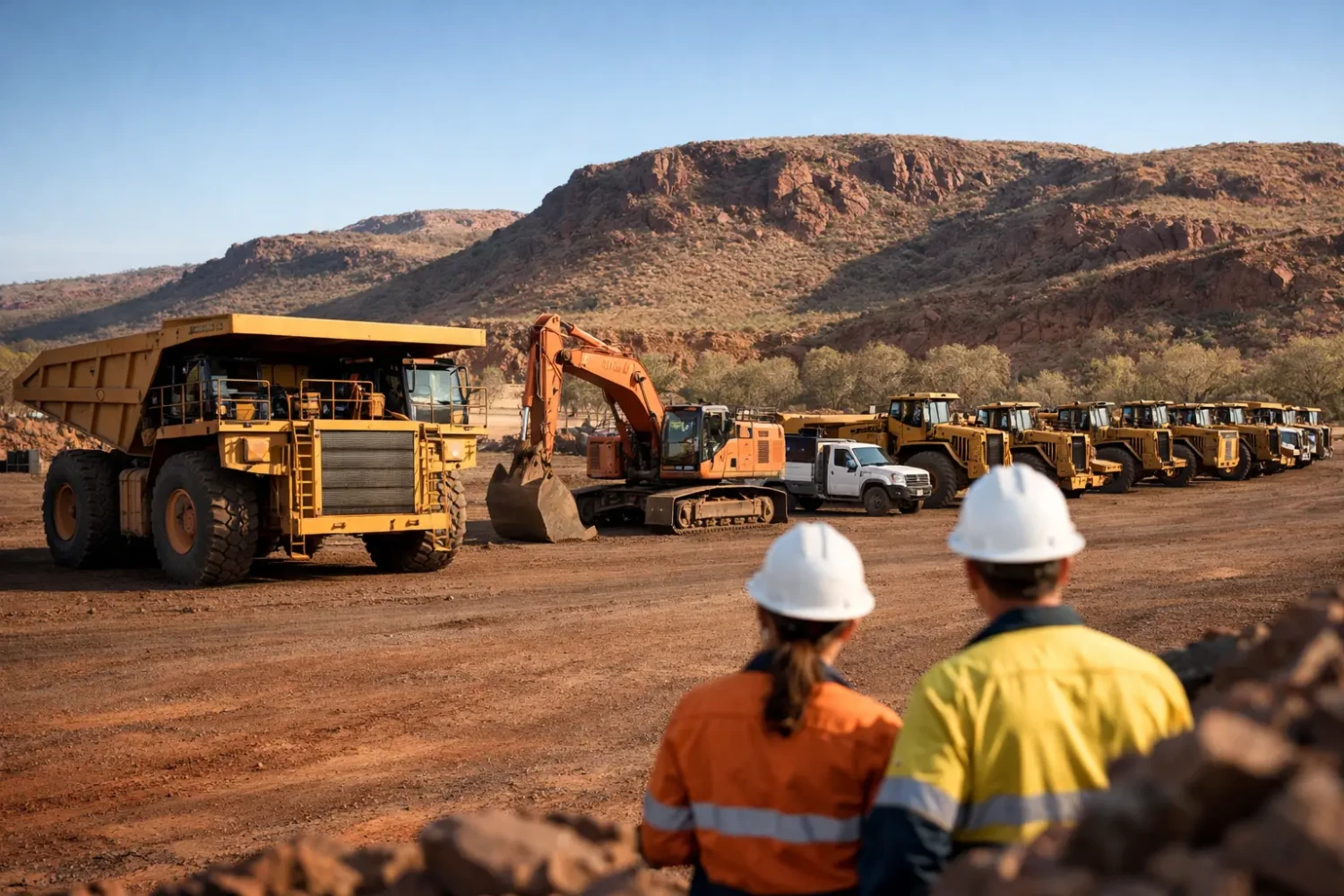

If stock is sitting idle, it is costing you money. Unused machinery, surplus vehicles, redundant plant and specialist assets tie up capital, take up space and create admin you do not need. Let NextGen Auctions help you sell now by putting those assets in front of active Australian buyers through a clear, practical online auction process.
For many sellers, the hard part is not deciding to sell. It is working out how to move the asset quickly, price it sensibly and avoid a process full of unclear fees or wasted time. That is where an online auction model makes commercial sense, especially when the platform is built around categories that serious buyers already search.
## Why selling speed matters
When equipment is no longer earning, every extra week matters. A parked excavator, an older prime mover, excess agricultural gear or workshop machinery that no longer fits the business can quietly drain value over time. Storage costs continue. Maintenance does not stop. Market demand can shift. In some sectors, seasonal timing also changes what buyers are willing to pay.
Selling sooner is not about rushing into a poor decision. It is about reducing delay and getting your asset in front of the right market while demand is still there. Businesses turning over fleets, upgrading plant, winding down projects or clearing deceased estates often need a practical route to market, not a drawn-out private sale.
This is especially true for specialised assets. A niche item can be difficult to move through a general classifieds site because the audience is too broad and buyer intent is too weak. A platform built for machinery, transport, agriculture, mining-related assets and specialist goods gives sellers a better chance of meeting buyers who already understand the asset and are ready to act.
## Let NextGen Auctions help you sell now with less friction
Auction selling works best when the process is simple and the fee structure is easy to understand. One of the biggest frustrations sellers have with traditional channels is cost confusion. Charges can stack up across listing fees, promotions, handling costs and seller-side premiums.
NextGen Auctions & Marketplace takes a more direct approach. The no Vendor’s Premium model removes a common point of seller resistance. Buyers pay a clearly stated 10% Buyer’s Premium, which means sellers can assess the selling pathway with fewer moving parts and a clearer commercial outcome.
That matters if you are comparing options. A private sale may look cheaper on paper, but it can drag on for weeks, attract low-quality enquiries and create repeated negotiation cycles. A trade-in is fast, but often at the cost of value. A structured online auction gives you competitive bidding, transparent participation and a deadline that pushes action.
There are trade-offs, of course. Not every asset should be sold the same way. A highly specialised unit with a narrow buyer pool may benefit from a marketplace listing alongside or instead of auction exposure. A seller with a hard reserve in mind may need to consider current market conditions and timing. But for a wide range of commercial assets, the online auction format is one of the most efficient ways to convert stock into cash flow.
## The asset types that move well in online auctions
The strongest auction results usually come from assets with clear utility, visible market demand and broad operational relevance. That includes earthmoving gear, trucks, trailers, utes, agricultural equipment, workshop machinery, transportables, caravans, marine assets and fleet vehicles. It also includes higher-interest speciality stock such as jewellery, gemstones, horse and equestrian assets, salvage items and collectables.
What matters is not only the category, but how the asset is presented and who sees it. Commercial buyers tend to make decisions quickly when the listing is clear, the condition is described properly and the sale terms are easy to understand. They are not looking for glossy marketing. They are looking for usable detail, confidence in the process and a straightforward path to purchase.
That is why category breadth matters. A platform that already serves agriculture, transport, construction, mining and manufacturing markets attracts buyers with specific operational needs. A farmer upgrading equipment, a contractor chasing fleet additions, or a buyer sourcing hard-to-find plant is far more valuable than a casual browser.
## What sellers should prepare before listing
A fast sale still depends on good preparation. If you want strong buyer engagement, the asset needs to be easy to assess. The basics are simple, but they make a real difference.
Start with accurate identification. Make, model, year, serial numbers, hours or kilometres, condition notes and service history should be available where relevant. If the asset has faults, state them clearly. Serious buyers do not expect perfection, but they do expect honesty. Clear photos are equally important. Show the unit from multiple angles and include close-ups of wear, attachments, compliance plates or any known damage.
You should also think about what a buyer will ask before they ask it. Is the machine operational? Is GST applicable? Where is it located? Is loading available? Are there manuals, spare parts or service records included? The fewer gaps in the listing, the fewer barriers to bidding.
This applies across categories. A livestock buyer wants confidence in details and handling arrangements. A transport operator wants to understand condition and compliance. A buyer looking at mining-related assets or industrial infrastructure wants practical information, not sales language.
## Why buyer reach changes the result
A good asset can still underperform if the audience is wrong. General marketplaces often attract plenty of views and very little real intent. That creates noise, not outcomes. An auction platform with scheduled sales and category-specific pathways brings in buyers who are already there to purchase, compare and bid.
That is one of the key reasons online auctions continue to gain ground across Australia. Sellers are no longer limited to a local yard audience or a narrow region. A listing can reach buyers across multiple states, which is particularly useful for commercial assets that buyers are prepared to transport if the opportunity is right.
Wider reach does not guarantee a higher price every time. Freight costs, asset condition and timing still influence demand. But it does improve your chance of competitive bidding, especially for stock that appeals beyond one local market. That wider audience is valuable whether you are selling a single machine, surplus dealership stock or a larger volume of end-of-project equipment.
## Transparency is not a bonus. It is the baseline
For commercial sellers, trust is built on process. If fees are vague, timelines are unclear or buyer participation feels unreliable, the whole transaction becomes harder than it needs to be. That is why transparent online selling matters.
A clear auction structure gives both sides a defined framework. Sellers know how the asset is being offered. Buyers know what premium applies. The market can respond in real time. That clarity reduces back-and-forth and helps assets move with less friction.
It also supports better decision-making. If you are an asset manager clearing obsolete equipment, a business owner improving cash flow, or a contractor rotating out underused machines, you need a selling channel that is practical rather than complicated. A dependable process is not just easier. It protects time and keeps disposal programs moving.
## When to choose auction and when to choose marketplace
Not every sale needs the same method. If speed, competition and defined timing are the priority, auction is usually the better fit. It creates urgency and gives buyers a clear reason to act now rather than later.
If your asset is highly specialised, has a narrow buyer pool or needs a more flexible sales period, a marketplace listing may be the better path. Some sellers also use both approaches depending on the asset mix. Fast-moving fleet items may suit auction, while niche plant or uncommon specialty goods may benefit from a longer listing window.
The right choice depends on condition, category, urgency and buyer depth. What matters most is using a channel that matches the asset rather than forcing every item into the same sales model.
## A practical selling path for real-world assets
The reason online auctions work for commercial Australia is simple. They fit the way real assets are bought and sold. Businesses need efficient disposal. Buyers need trusted access. Sellers want reach, speed and fee clarity without unnecessary complication.
If you are holding machinery, vehicles, agricultural equipment, industrial stock, livestock or specialist goods that need to move, the smartest next step is usually the one that gets the asset seen by the right market quickly. That is where a focused platform, transparent terms and a category-led buyer base can make the difference between an asset sitting idle and an asset sold.