

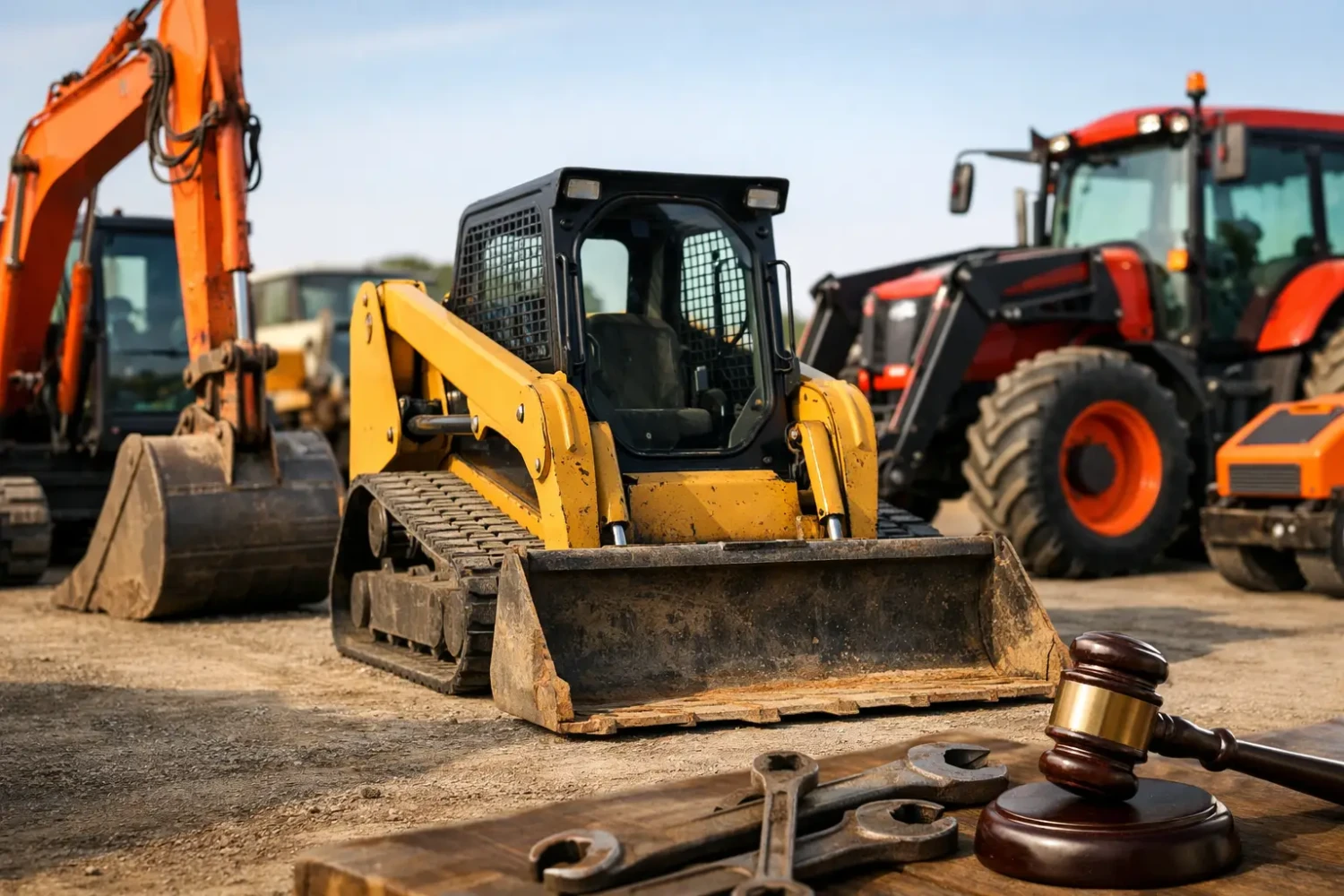
One month it is a tidy late-model skid steer from a fleet reduction. The next, it is a workshop full of fabrication gear, a low-hour excavator, or a road train component that would usually take weeks to source privately. That is the appeal of the best monthly machinery auction finds - they are not random bargains for the sake of it, but genuine commercial opportunities for buyers who know what they are looking at.
Monthly auctions matter because they sit in the sweet spot between urgency and choice. Sellers are often moving surplus assets, rotating fleets, clearing deceased estates, closing projects, or rationalising stock. Buyers get a regular flow of equipment without waiting for a major end-of-year clearance. For contractors, farmers, transport operators and plant managers, that rhythm can be the difference between finding usable gear this month or paying retail because the job cannot wait.
The best finds are rarely just the cheapest lots on the screen. Value usually comes from a mix of condition, fit for purpose, and timing. A five-year-old machine with service records and clear photos can be a far better buy than an older unit that looks cheap until transport, repairs and downtime are added in.
Good auction finds also tend to come from practical selling scenarios. A transport business replacing a line of trailers, a civil contractor clearing a completed project, or a manufacturer selling redundant plant often brings realistic reserve expectations. These are assets that were bought to work, maintained to operate, and listed to move.
That does not mean every attractive lot is a hidden gem. Sometimes a low hammer price reflects genuine risk - missing parts, unknown hours, limited testing, or costly relocation. The strongest buyers separate a good buying opportunity from a future workshop bill.
This is often where buyers see the strongest month-to-month opportunities. Excavators, skid steers, loaders, rollers and attachments move regularly because contractors update fleets, civil projects finish, and hire companies turn over units. Smaller and mid-sized machines can be especially competitive because they suit more buyers, from owner-operators to regional contractors.
Attachments can be the quiet achievers here. Buckets, grabs, augers, trenchers and compaction wheels are easier to overlook than powered equipment, but they can offer excellent value when bundled into broader asset clearances. For buyers trying to stretch a budget, buying the carrier machine at one auction and the attachments at another can still come in well under dealer pricing.
The trade-off is condition certainty. Cosmetics matter less than undercarriage wear, hydraulic leaks, pin play and service history. If the listing gives clear operating details, hour readings and inspection options, that is usually where serious buyers focus first.
The best monthly machinery auction finds in agriculture often come down to timing. Around planting, harvest or seasonal change, buyers can become highly selective. That can create openings in less fashionable but still useful categories such as spreaders, slashers, graders, older tractors, field bins and livestock handling equipment.
A broadacre operator and a mixed-farm buyer may value the same tractor very differently. One may need high-horsepower precision capability, while the other simply wants a dependable second machine for general work. That is why auction value in ag machinery is rarely absolute. It depends on your property size, usage hours and whether you are buying a primary asset or a backup.
Look closely at tyres, PTO condition, hydraulic outlets and signs of long-term storage. Cosmetic weathering is common in farm gear. Neglect is a different story.
Trucks, trailers, tippers and transport support equipment are a regular source of strong auction buying. Fleet operators often sell on a schedule, which means monthly catalogues can include well-documented units with known operating histories. That level of transparency matters because transport assets can become expensive quickly if registration, compliance work or drivetrain issues are overlooked.
The smartest finds are often not the flashiest prime movers. A sound low-loader, a service body, a water cart, a workshop trailer or a dolly in operational condition can solve a real business problem immediately. These practical buys tend to hold their value because they fill a specific need and are often harder to source at short notice.
As always, freight and location matter. A bargain in one state can lose its shine once relocation and compliance costs are factored in.
This category rewards buyers who know exactly what their operation needs. Compressors, welders, lathes, presses, generators, racking, conveyors and processing equipment can be excellent monthly auction targets because they often come from business closures, relocations or asset upgrades.
Here, the best finds are usually functional rather than glamorous. A reliable compressor with maintenance records may have more commercial value than a larger unit with an unknown service background. The same goes for generators, pumps and fabrication equipment. Utility beats appearance every time.
Three checks matter most - power requirements, removal complexity and testing status. Plenty of buyers focus on the hammer price and forget that disconnection, loading and site access can materially change the total cost.
Most buyers can recognise a clean machine. Fewer take the time to read a listing properly. That is where value often appears. A lot with complete serial details, clear service notes, multiple images and a straightforward seller description gives you more to work with. You are not buying certainty, but you are reducing guesswork.
Compare the asset against your actual workload, not your ideal wish list. If a machine will comfortably handle eighty per cent of your use case at a much sharper price, that may be the better commercial decision. Chasing the newest model only makes sense if the extra capability will be used and paid for.
It also helps to watch categories that sit adjacent to your normal buying lane. A farmer might find workshop gear, livestock equipment or a service ute in the same monthly cycle. A contractor may spot site sheds, fuel tanks or traffic management assets alongside plant. Some of the best finds are not the centrepiece lots. They are the support assets that keep an operation moving.
Discipline usually decides whether monthly auction buying works over time. Set your ceiling before bidding starts and include the full landed cost, not just the likely hammer price. That means buyer's premium, GST where applicable, transport, repairs, tyres, fluids, compliance, and any delay cost if the asset cannot go straight to work.
This is also where transparent fees matter. When the premium structure is clear and not sliding around with hidden extras, you can price a lot properly before you bid. That makes it easier to move quickly and with confidence. For sellers, a no vendor's premium model removes a common point of friction and can help keep listings moving through the platform instead of sitting idle.
If you can inspect, inspect. If you cannot, ask direct questions and use the information available. A serious buyer wants to know whether the asset starts, moves, operates under load, shows warning lights, or has known faults. You may not get a perfect answer every time, but even partial operating detail is better than bidding blind.
The real advantage of monthly buying is not just access to machinery. It is consistency. Regular auction cycles let buyers track pricing, learn category patterns, and act when the right asset appears. That is more useful than chasing one-off bargains with no benchmark.
It also creates room for better planning. A transport operator can watch trailer stock over several months. A builder can monitor compact plant values before a tender lands. An agricultural buyer can keep an eye on seasonal turnover instead of making a rushed purchase in peak demand.
For Australian buyers working across construction, transport, agriculture, mining and industrial operations, that repeat visibility matters. Good equipment still moves quickly, but a regular monthly pipeline gives you more than one shot at finding it.
At NextGen Auctions & Marketplace, that straightforward approach is the point - practical categories, transparent buyer costs, no vendor fees, and a simple online process that helps assets move and buyers act decisively.
The best monthly machinery auction finds are rarely about luck. They come from knowing your numbers, reading listings closely, and recognising when an asset is genuinely useful to your operation. Buy for the work in front of you, not the story around the lot, and the right machinery tends to stand out.