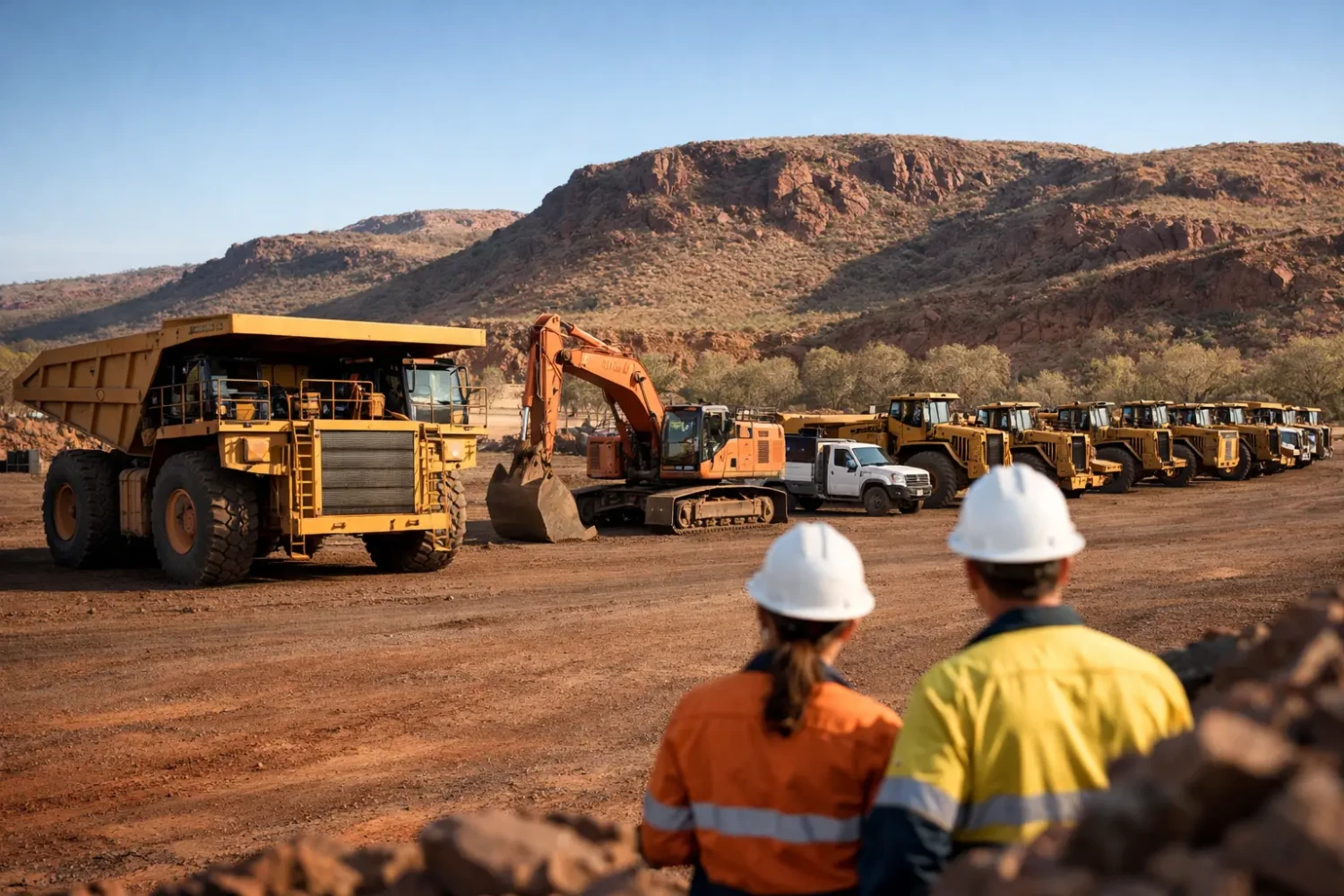


When a workshop is full of underused plant, a transport yard has ageing fleet units to clear, or a business needs to turn stock into cash quickly, commercial liquidation auctions stop being a theory and become a practical tool. They exist for one reason - to convert business assets into market-driven sale proceeds without dragging the process out for months.
For Australian sellers, that matters most when timing is tight. A restructure, insolvency event, fleet renewal, site closure, stock reduction or end-of-project clean-out all create the same pressure point: assets need to move, and they need to move in an orderly, transparent way. That is where an auction model can outperform slow private negotiations.
What commercial liquidation auctions are really for
At a basic level, commercial liquidation auctions are structured sales used to dispose of business-owned assets. Those assets might include machinery, vehicles, tools, surplus inventory, agricultural equipment, mining-related assets, transport equipment, workshop gear, portable buildings, livestock or specialty items that do not suit a standard retail marketplace.
The key point is that liquidation does not always mean collapse. Sometimes it does relate to administration, insolvency or creditor pressure. But just as often it means a business is rationalising stock, exiting a division, replacing equipment, reducing overheads or clearing redundant assets after a project wraps up.
That distinction matters because the sale strategy should fit the reason for selling. A distressed sale may prioritise speed above everything else. A planned asset turnover may focus on presentation, buyer reach and timing the auction to maximise competitive bidding.
Why auctions suit commercial assets better than many private sales
Private treaty sales can work well for a single specialised machine with a known buyer pool. They become less efficient when there are multiple lots, mixed-value assets or a deadline that cannot move.
An auction creates a defined selling window. Buyers know when bidding opens, when it closes and what stock is available. That certainty helps generate attention. For sellers, it reduces the endless back-and-forth that often comes with classifieds, dealership trade-ins or direct negotiation.
It also puts pricing into the market’s hands. That is not always comfortable, but it is honest. If a late-model excavator, truck, tractor or processing unit has broad demand, competitive bidding can push the result higher than a fixed asking price. If the asset is niche, obsolete or hard to value, the auction still provides a transparent mechanism to find the current market level.
For many businesses, the real advantage is scale. A liquidation event can include premium plant, low-value consumables, damaged stock, salvage items and everything in between. Instead of trying to place each item separately, the seller can move a wide range of assets through one sale process.
How the process usually works
A proper commercial liquidation auction starts long before the first bid. Assets need to be identified, described and grouped appropriately. Serial numbers, hours, condition notes, service history and site details all matter. So do clear photographs. Buyers spending serious money want enough information to make a informed decision without chasing basic facts.
From there, lots are scheduled into an auction format that suits the assets. Timed online auctions are particularly effective because they give national buyer reach without forcing every buyer to attend on site. That is useful for commercial equipment, regional assets and specialised stock where the best buyer may be interstate.
The strongest results usually come from three things working together: realistic vendor expectations, accurate lot presentation and enough market exposure in the lead-up. If one is missing, the final outcome can suffer.
Settlement and collection are just as important as the listing itself. A sale is only efficient if buyers know the premium structure, payment terms and collection requirements upfront. Clear terms reduce disputes and keep assets moving after the hammer falls.
Commercial liquidation auctions are not one-size-fits-all
This is where experience matters. A liquidation sale of civil machinery is different from a warehouse stock run-down. Livestock needs a different handling approach from transport equipment. Mining assets, workshop tooling, marine gear and jewellery all attract different buyers and require different catalogue detail.
That is why category breadth matters more than many sellers realise. A platform that understands heavy industry, commercial equipment and specialist asset classes is better placed to present stock properly and attract the right audience. Generic marketplaces often struggle with this because they are built for broad consumer listings rather than operational assets with real value and technical specifications.
Buyers also behave differently depending on the category. A contractor buying a skid steer is looking at hours, attachments, serviceability and transport logistics. A dealer buying surplus stock may care more about lot volume and margin. A collector looking at a specialty item may focus on provenance and condition detail. Good auction setup reflects those differences.
The fee structure can change the result
One of the least discussed parts of liquidation selling is how fees affect bidding behaviour and vendor return. If sellers are hit with vendor fees, layered charges or sliding premium structures, the net result can be lower than expected even when bidding looks healthy.
That is why transparent fee models matter. Buyers want to know exactly what premium applies. Sellers want to know what comes off the top before the sale starts, not after the invoices are issued. Hidden charges create friction, and friction usually costs money.
A straightforward buyer’s premium is easier for the market to understand than a maze of extras. It also gives sellers a cleaner picture of what they are actually getting back from the sale. For commercial vendors moving fleets, plant lines or Mixed surplus stock, that clarity helps with planning and reporting.
When liquidation auctions work best
They are especially effective when a business needs speed, reach and competitive tension at the same time. Fleet turnover is a good example. Selling ten vehicles one by one can take months. Selling them in a coordinated auction creates urgency and lets buyers compare units in the same event.
They also suit site clearances and end-of-lease situations, where delay creates storage costs or operational headaches. If equipment is occupying yard space, warehouse area or workshop capacity, getting it sold is not just about cash recovery. It is also about freeing the site for productive use.
There is also a strong case for auction when assets are hard to benchmark. Some specialist machinery, salvage equipment, mining-related stock or unusual commercial goods do not have a reliable classifieds market. In those cases, auction competition is often the clearest way to establish value.
When another sales method may be better
An auction is not automatically the best option for every asset. If there is only one logical purchaser, direct negotiation may produce a stronger result. The same can apply to highly customised equipment that needs site inspection, engineering review or extended approval from the buyer.
Timing matters too. If the seller can afford to wait and the asset has a narrow but high-value buyer pool, a longer private sale campaign may be worth considering. On the other hand, waiting has a cost when finance, storage, depreciation or project timing are involved.
This is the trade-off many businesses miss. Chasing the highest possible price on paper is not always the same as achieving the best commercial outcome. Speed, certainty and reduced handling can easily outweigh a slightly higher but less reliable private offer.
What sellers should do before listing
The best liquidation results usually come from preparation, not luck. Sellers should start by identifying what is genuinely surplus and what still has operational use. It sounds obvious, but many businesses throw too much into a sale or hold back lots that would attract strong bidding as part of a broader catalogue.
Then there is asset information. Gather service records, manuals, proof of ownership, compliance details and any notes on faults or missing parts. Commercial buyers can handle imperfect assets. What they do not like is uncertainty.
Presentation is next. Equipment does not need cosmetic overhauls, but basic cleaning, tidy photography and accurate descriptions make a real difference. So does sensible lotting. A pallet of mixed workshop parts might suit one lot. A premium machine with attachments may be better split or clearly packaged depending on buyer demand.
Finally, be realistic about reserve expectations. The market is the market. Setting reserves too high can stall a sale and leave the business carrying the same problem into next month.
Why online matters in the Australian market
Australia’s commercial asset market is broad, but it is spread out. A buyer in regional Queensland may happily purchase from Victoria. A transport operator in New South Wales may bid on stock out of Western Australia if the numbers stack up. That reach is one of the biggest strengths of online auctions.
For sellers, it means the audience is not limited to who can physically show up on the day. For buyers, it opens access to stock that might never appear in their local market. That is particularly valuable for specialised machinery, agricultural gear, mining-related assets and hard-to-source commercial equipment.
A digital auction also creates a cleaner record of bidding activity, sale timing and terms. In a commercial setting, that transparency is more than a convenience. It helps support governance, reporting and confidence in the process.
For businesses that want a practical liquidation channel, the best auction partner is usually the one that keeps the process simple, understands commercial asset categories and is upfront about fees. That is the difference between merely listing stock and actually moving it well. NextGen Auctions & Marketplace is built around that idea - transparent terms, no vendor premium, and a flat 10% buyer’s premium that keeps the process clear for both sides.
If you are sitting on redundant stock, idle machinery or equipment that no longer fits the job, waiting rarely improves the asset. A well-run auction can turn that problem into working capital and yard space, which is often the better business decision.