

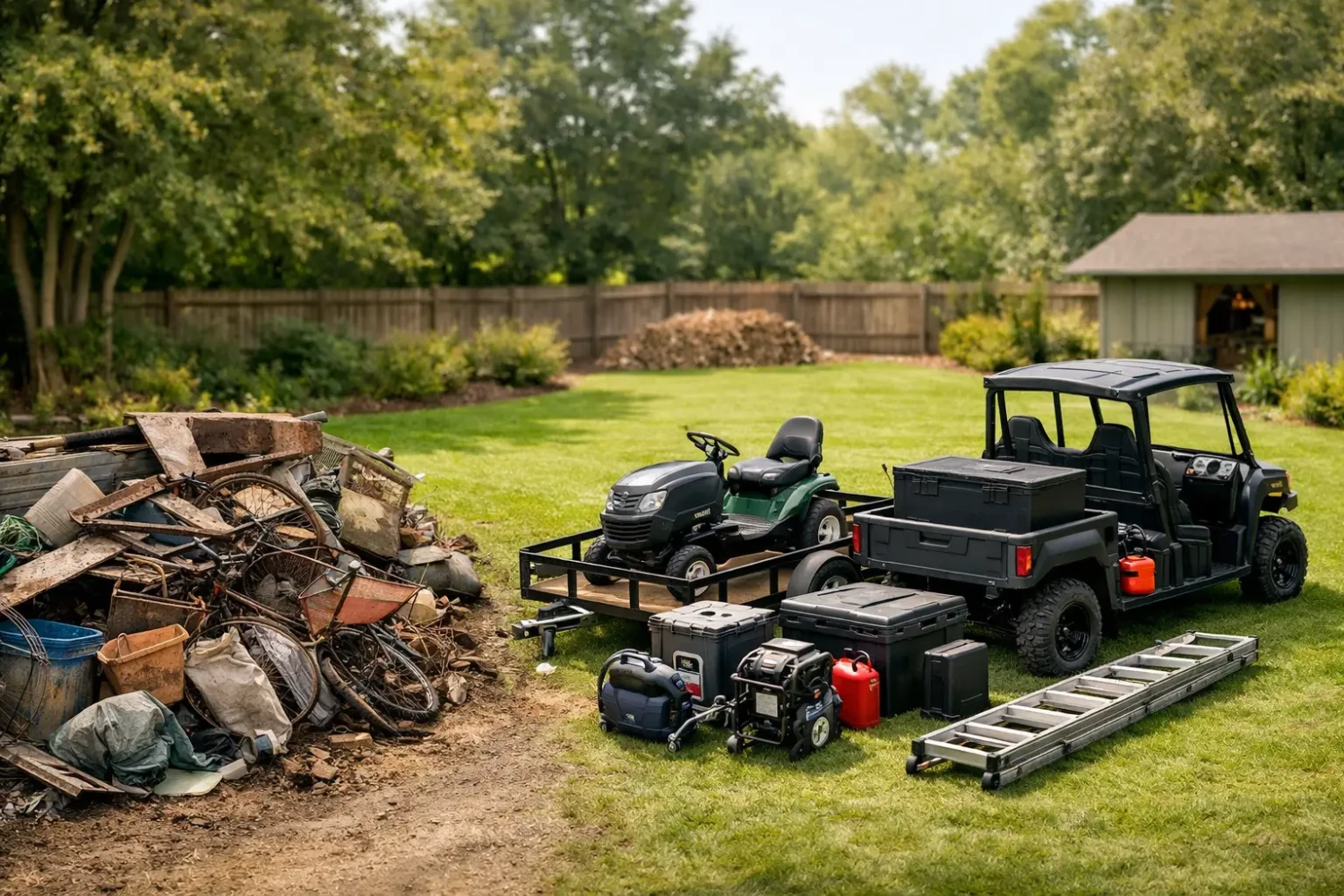
Idle assets have a habit of becoming expensive storage. A truck that no longer fits the fleet, a line of surplus pallets in the warehouse, an unused excavator in the yard, or specialist gear gathering dust all tie up space and working capital. If you need to consolidate assets and clean up your yard and warehouses with NextGen Auctions & Marketplace, the real advantage is not just selling stock - it is turning clutter into a more efficient operation.
For many Australian businesses, the problem is not whether surplus assets exist. It is how to move them without wasting time, discounting too heavily, or getting caught in a drawn-out sales process. That is where an online auction and marketplace model makes practical sense. When it is run properly, it gives sellers reach, clear terms, and a straightforward path to liquidation across a wide mix of asset classes.
Why surplus assets cost more than they look
Unused machinery and slow-moving stock rarely sit idle for free. They occupy yard space that could be used for active equipment, incoming inventory, or safer site access. In warehouses, old stock and obsolete equipment reduce efficiency and complicate stock control. In transport, construction, mining, agriculture, and manufacturing, the issue can quickly spread from a housekeeping problem into a commercial one.
There is also the hidden cost of delay. The longer an asset sits, the more likely it is to lose value through age, weather exposure, maintenance drift, or market shifts. A skid steer parked for six months is not just taking up room. It may need recommissioning, battery work, tyres, servicing, or repairs before it is ready for sale. The same applies to trailers, ute's, trucks, plant, transportable's, livestock infrastructure, workshop equipment, and surplus parts.
That is why consolidation matters. It helps a business separate what is operationally essential from what should be sold, redeployed, or cleared. The result is usually better use of space, clearer asset registers, and improved cash flow.
Consolidate assets and clean up your yard and warehouses with NextGen Auctions & Marketplace
The strongest reason to use a dedicated online auction house is category fit. General selling platforms often struggle with heavy equipment, industrial stock, niche machinery, specialist vehicles, or commercial assets that need informed buyers. A platform built for machinery, transport, agricultural equipment, mining-related assets, valuables, livestock, and other specialist categories attracts a more relevant market from the outset.
That matters because asset disposal is rarely one-size-fits-all. A contractor clearing a yard may need to move earthmoving gear, light vehicles, attachments, sea containers, and workshop stock in the same campaign. A transport operator may be turning over prime movers, trailers, support equipment, and spare components. A farm business may be clearing tractors, implements, livestock equipment, and general goods. Using a single platform that can handle mixed inventory reduces admin and keeps the process organised.
The fee structure matters too. Sellers are usually looking for clarity before they commit. A no Vendor’s Premium model removes one of the common sticking points in auctions and gives sellers a cleaner view of what they are working with. A clearly stated 10% Buyer’s Premium also helps set expectations upfront. In practical terms, transparent fees remove guesswork, and that reduces friction.
What a clean-up should actually involve
A proper yard or warehouse clean-up is not just a rushed disposal exercise. The better approach is to sort assets into three groups: keep, reassign, and sell. That sounds simple, but it forces a commercial decision.
Assets worth keeping are the ones still earning their place. They are in use, serviceable, and aligned to current demand. Reassign assets if they still have operational value elsewhere in the business. Sell assets if they are redundant, underutilised, duplicated, too costly to maintain, or no longer suited to current work.
This is where businesses often get stuck. Equipment owners tend to overestimate future use because they remember what an asset once did for the operation. But if a machine has not moved in a year, or if stock has sat untouched across multiple reporting cycles, that is a sign. Holding on “just in case” can be more expensive than selling now and freeing space for productive use.
Warehouse stock needs the same discipline. Surplus shelving, outdated tools, excess materials, old forklifts, redundant packaging equipment, and obsolete inventory all reduce flow. In many cases, cleaning up the warehouse improves safety and visibility at the same time. It is easier to control stock and easier to see what the business actually owns.
Why online auctions suit mixed and specialist assets
Traditional disposal channels can be slow. Private treaty sales often rely on one buyer at a time, which drags out negotiations and creates pressure to cut the price just to get the asset moved. Dealers may be selective and may not want older, niche, or mixed-condition items. General classifieds can generate attention, but not always from serious buyers.
Timed online auctions work differently. They create a defined selling window and a competitive buying environment. That can be particularly useful for asset managers and operators who want a clear date for stock movement rather than endless back-and-forth. If you are coordinating a yard reduction, site closure, fleet refresh, deceased estate, workshop rationalisation, or end-of-project clearance, certainty on timing is often just as important as sale price.
The marketplace side also has value. Not every asset belongs in an auction cycle. Some items may suit fixed-price listing, especially where there is a known buyer market and less urgency. A platform that supports both approaches gives sellers flexibility instead of forcing every item into the same format.
The categories matter more than most sellers realise
A broad category range is not a branding exercise. It changes who sees your assets. When buyers come to a specialist platform looking for earthmoving equipment, trucks, caravans, marine assets, gemstones, jewellery, equestrian stock, mining leases, or workshop machinery, they are already in a buying mindset. That is very different from advertising into a general audience with mixed intent.
It also means sellers can clear more than just the obvious big-ticket items. A site clean-up might include generators, compressors, welders, containers, trailers, forklifts, tyres, attachments, office fit-out items, salvage stock, and miscellaneous industrial goods. On a narrow platform, these pieces can be hard to place. On a broad but industry-relevant platform, they become part of a disposal strategy rather than leftovers.
There is a trade-off, of course. Some rare or highly specialised assets need careful listing, accurate descriptions, and realistic reserve thinking to attract the right market. Better exposure does not remove the need for good asset presentation. Condition, service history, photos, identifiers, and pickup details still matter.
How to prepare assets for sale without wasting time
The best sellers do not overcomplicate the process. They focus on getting the basics right. Clean the asset enough that buyers can properly assess it. Record key details such as make, model, serial number, hours, kilometres, dimensions, or known faults. Gather service records where available. Note whether the item is operational, untested, repairable, or being sold as-is.
For yard assets, access and loading arrangements should be considered early. Buyers want to know whether collection is straightforward. For warehouse clear-outs, lotting stock sensibly can make a real difference. Too much bundling may limit buyer interest, while splitting everything into tiny lots can create unnecessary handling. The right approach depends on the asset type, buyer demand, and the cost of logistics.
This is also the point where sellers should be honest about urgency. If the goal is to clear space fast, that affects how assets should be grouped and sold. If the priority is maximising return on a small number of premium items, a more selective approach may work better. There is no single rule. The commercial objective should drive the sale plan.
A practical option for businesses under pressure to move stock
Many businesses do not choose to clear yards and warehouses because they have spare time. They do it because stock has piled up, sites are changing, plant is being replaced, or finance and storage costs need attention. In those moments, a simple auction process matters.
NextGen Auctions & Marketplace is built for that reality. It gives sellers a direct way to list and move machinery, industrial assets, vehicles, livestock, valuables, and specialist goods through a platform designed for commercial turnover. The model is straightforward, the categories are relevant, and the fee structure is clear.
If your yard is crowded or your warehouse is carrying more dead stock than it should, the first step is not complicated. Work out what is still earning its keep, what is not, and what should be moved now while there is still value in it. A cleaner site, better space use, and capital back in the business is usually a stronger outcome than letting surplus assets sit for another season.