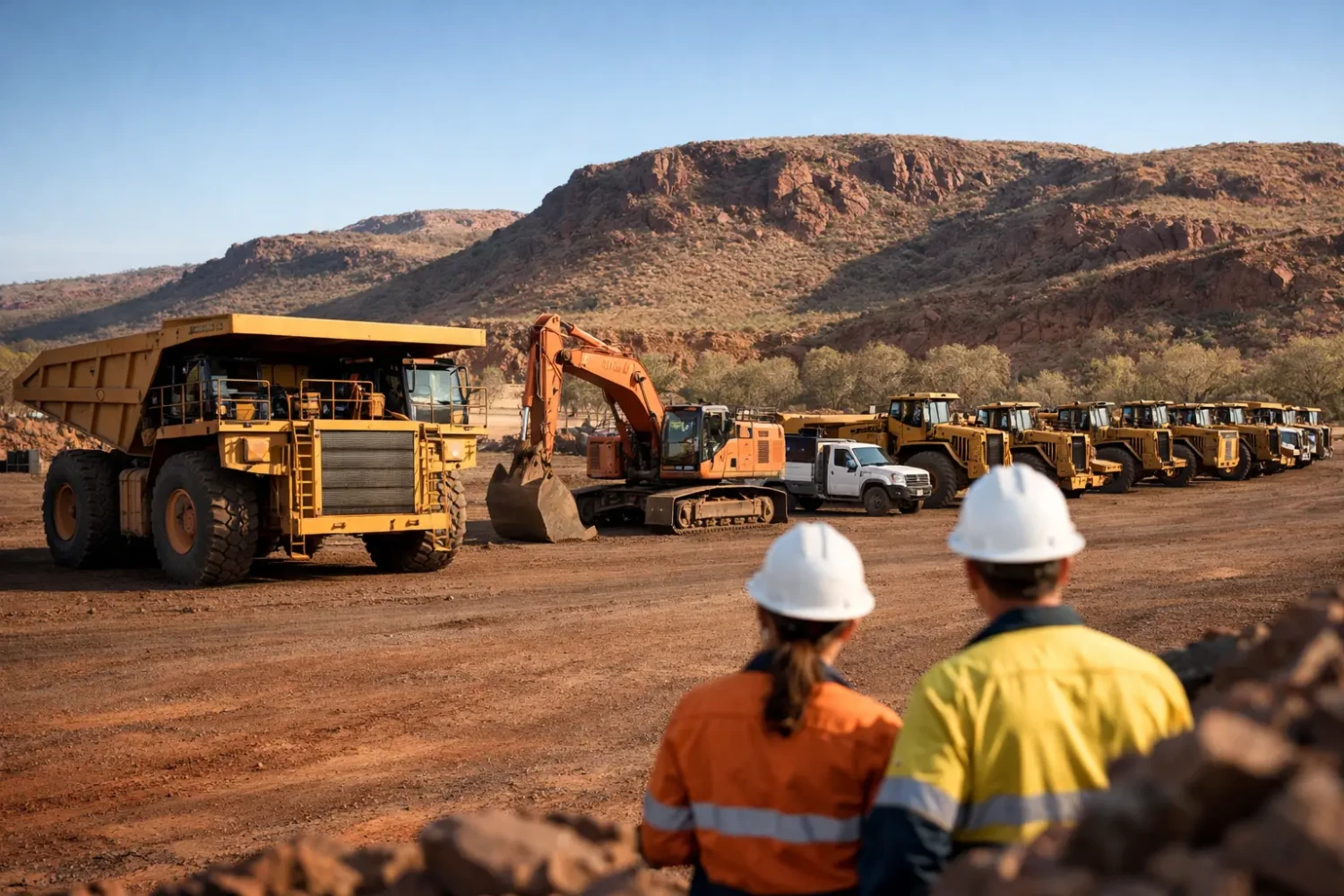


When a dozer, excavator, tipper or loader is sitting idle, it is costing money. The longer it stays parked in the yard, the harder it becomes to recover value, especially when markets shift, projects wrap up or fleet upgrades move faster than expected. That is why Heavy Machinery and Equipment Sales with NextGen Auctions & Marketplace matter to businesses that need a practical way to move assets without adding more admin, delays or fee confusion.
For Australian sellers, the issue is rarely just finding a place to list a machine. The real challenge is finding buyers who are actively looking, presenting the asset clearly, and running the sale through a process that is transparent from start to finish. For buyers, it is about access to genuine stock across the categories that keep operations running - earthmoving equipment, trucks, agricultural machinery, mining assets, transport gear and specialist industrial items that are not always easy to source through general classifieds.
This model suits the way heavy asset markets actually work. High-value machinery does not move like everyday consumer goods. Buyers want detail. Sellers want speed without being forced into vague pricing, hidden charges or a drawn-out negotiation process. A platform built around online auctions and marketplace listings gives both sides more control over the transaction.
For sellers, one of the strongest commercial advantages is fee clarity. A no Vendor’s Premium model removes a common point of friction. That matters when you are liquidating surplus machinery, rotating fleet assets, downsizing a workshop, closing a project or clearing stock before end of financial year. You can assess likely sale outcomes without trying to decode layered commissions.
For buyers, a clearly stated 10% Buyer’s Premium creates certainty. There is no guesswork about how the fee structure works. In heavy equipment sales, where purchase decisions are often tied to transport costs, repairs, compliance work and site readiness, clear numbers matter.
Online auctions have moved well beyond small-ticket clearance stock. For heavy machinery and industrial equipment, they now offer a practical sales channel because they bring broad buyer reach into one place while keeping the process structured. That is especially useful when an asset has niche appeal. A late-model skid steer may attract strong interest from contractors, but so can an older roller, a transportable building, a farm ute, a prime mover or a workshop full of surplus tooling if the right buyers can see it.
The timing element also helps. In a private sale, machinery can sit for weeks while sellers field low offers, incomplete enquiries and time-wasting inspections. In an auction environment, the sales window is defined. Buyers know when bidding closes. Sellers know when the asset is scheduled. That creates momentum which is often missing from static listings.
There is a trade-off, of course. Auction results depend on realistic expectations, accurate asset descriptions and enough market exposure during the campaign. A poorly presented machine will not outperform simply because it is in an auction. Strong outcomes still come from good information, clear photos, service history where available and honest condition reporting.
Serious buyers are not browsing for entertainment. They are looking for assets that can go to work, fill a gap in the fleet, replace a failed machine or support an upcoming contract. That changes how equipment needs to be presented.
Condition matters, but so does context. An excavator listing should not just name the make and model. Buyers want the details that affect value and usability - hours, attachments, service records, visible wear, known faults, operating condition and location. The same applies across trucks, tractors, trailers, mining-related plant and workshop equipment. A straight description saves time on both sides and attracts better-qualified interest.
Category depth also matters. A buyer looking for heavy machinery often needs related assets as well. Someone sourcing an ag machine may also need attachments, trailers or support vehicles. A transport operator may be reviewing tippers, dollies, trailers and workshop gear at the same time. A platform that carries multiple relevant categories gives buyers more reasons to stay engaged and bid with confidence.
Heavy equipment markets are not neatly separated in the real world. Construction businesses buy transport assets. Farmers buy workshop tools and vehicles. Mining contractors look at machinery, support infrastructure, light vehicles and specialist plant. Dealers source across several verticals at once.
That is where a broad marketplace makes practical sense. Instead of isolating machinery into a narrow channel, it places it alongside the asset classes that commercial buyers already need. Earthmoving equipment can sit beside trucks, transportables, agricultural machinery, salvage items, marine gear or even specialist stock that mainstream marketplaces often overlook.
This broad mix does not weaken the machinery category. It strengthens it. More relevant buyers are already active on the platform for related purchases, which increases exposure for sellers and gives buyers access to stock they may not have found through a single-category sales channel.
Sellers usually come to auction for one of four reasons: they need to liquidate, they need to turn over fleet, they are clearing surplus stock, or they want to stop spending time chasing private buyers. In every case, friction costs money.
Friction shows up in different ways. It can be unclear fees, repeated back-and-forth with unqualified buyers, delays in scheduling, or a listing process that requires too much internal effort from already busy operations teams. For asset managers and business owners, the goal is not just to sell. It is to sell efficiently and move on to the next operational priority.
A simplified auction process helps because it reduces decision fatigue. The seller knows the sale format, understands the charges, and can list assets into a structured environment that reaches a national audience. For businesses managing multiple lots, that matters even more. A single sale campaign can move everything from machinery and attachments to transport equipment, workshop stock and miscellaneous surplus items.
That said, not every asset belongs in the same format. Some machines perform well in timed auctions because there is active buyer demand and clear market value. Others may suit marketplace listings where a more patient sale approach is appropriate. The best result depends on the asset type, condition, rarity and urgency of sale.
Trust is not a branding extra in this sector. It is part of the transaction itself. Buyers need confidence that the listing reflects the asset. Sellers need confidence that the process is secure, visible and commercially fair. Without that, auction participation drops and sale quality suffers.
Transparency is what makes online heavy equipment sales workable at scale. Clear premium structures, straightforward lot information and a process that buyers and sellers can follow without guesswork all improve participation. In practical terms, that means fewer disputes, better buyer confidence and a stronger sales environment overall.
For commercial vendors, this is especially relevant when moving high-value or specialist assets. A mining-related item, a large agricultural machine or a piece of transport equipment may attract interest from several states. An online format widens the pool, but only if the process feels dependable enough for remote buyers to engage seriously.
This approach is well suited to contractors, plant hire businesses, transport operators, workshops, farmers, dealers, insolvency practitioners, asset managers and companies closing out projects or restructuring fleets. It also suits private sellers with serious machinery or specialist equipment that needs a more credible sales channel than a general classifieds site can offer.
Buyers benefit as well, particularly those who need access to stock that does not appear consistently in retail channels. That includes older but serviceable machinery, surplus industrial assets, niche attachments, project equipment, transportables and hard-to-source operational stock.
One of the practical strengths of NextGen Auctions & Marketplace is that it reflects how real buyers buy and how real sellers sell. It does not force every asset into the same mould. It supports auction-driven urgency where that works and marketplace visibility where that makes more commercial sense.
If you are moving heavy machinery, the right sales channel should do three things well: put the asset in front of the right buyers, make the fee structure easy to understand, and keep the process simple enough that the machinery leaves the yard instead of sitting in it.