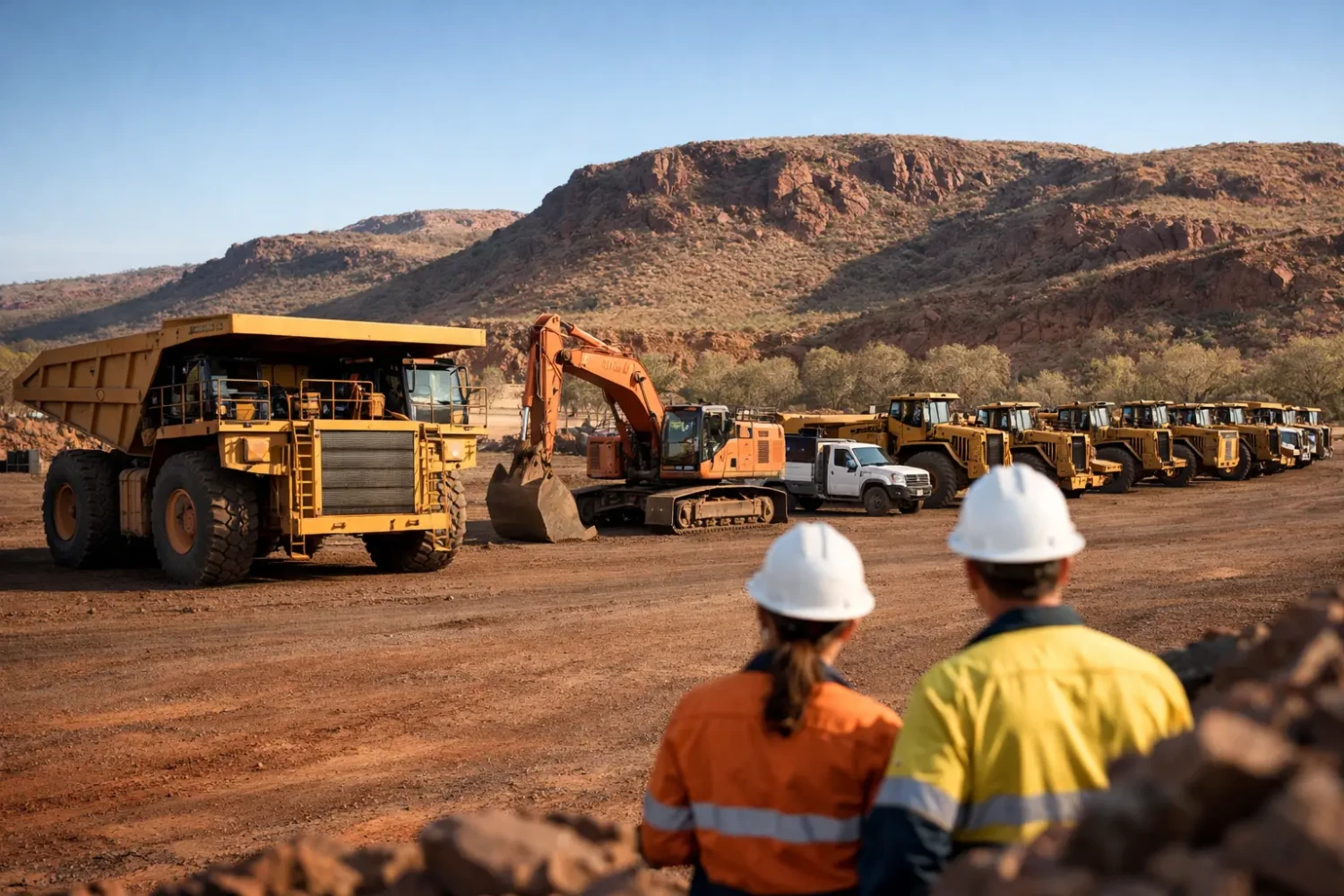
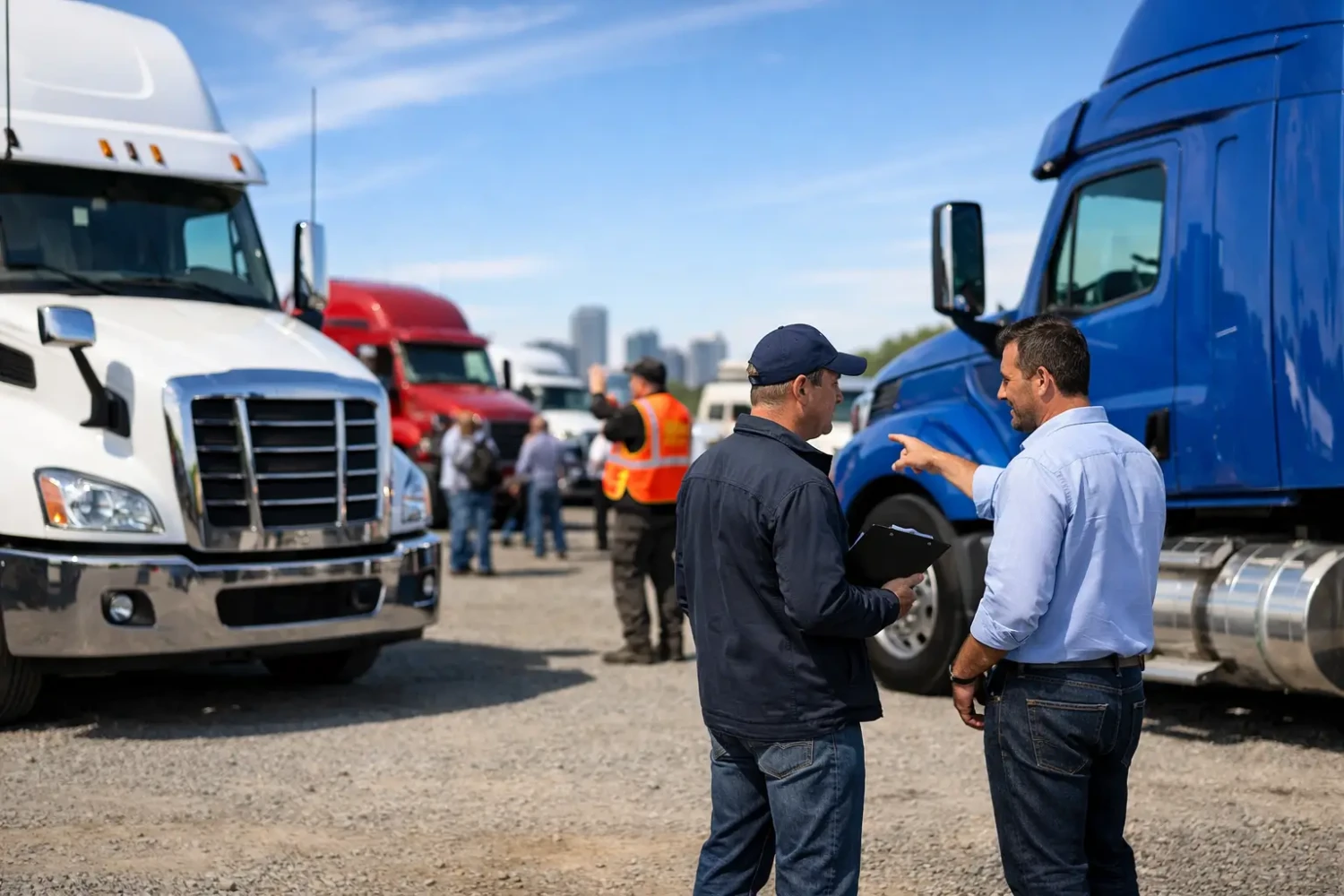
A fleet sitting idle in the Pilbara can lose value quickly. Registration, finance obligations, servicing, site access, storage and transport all keep costing money while the business waits for a sale. That is why how we liquidate a fleet in the Pilbara starts with a practical plan to move assets properly, not simply putting a few photographs online and hoping for interest. For a contractor changing scope, a transport operator replacing prime movers, or a mining business clearing surplus light vehicles and plant, the aim is straightforward: create genuine competition, keep the process clear and achieve the strongest possible return within a sensible timeframe. Why Pilbara fleet sales need a different approach The Pilbara is not a standard metro fleet disposal job. Assets may be located behind site access requirements, spread between yards, operating in remote conditions or due for collection from a location that is costly to reach. Buyers want to know what they are bidding on, where it is, whether they can inspect it, and what is involved in getting it home. A fleet can also be mixed. It may include utes, service bodies, site trailers, light trucks, water carts, generators, skid steers, attachments, workshop equipment and spare parts. Selling every item the same way can leave money on the table. A well-used field ute may attract one type of buyer, while a late-model telehandler or transportable crib room has a much wider commercial market. Condition needs to be presented honestly. Pilbara equipment often shows the evidence of real work: red dust, corrugation wear, high hours and cosmetic marks. None of that automatically makes an asset undesirable. But vague descriptions create hesitation. Accurate details help serious buyers assess maintenance risk, transport costs and likely operating life before auction day. How we liquidate a fleet in the Pilbara Start with the fleet, not the auction catalogue Before setting dates or loading listings, we build a clear picture of the disposal task. This means identifying every asset, confirming its ownership status, checking whether any finance interest needs to be discharged, and separating operational units from non-runners, parts stock and workshop surplus. We also look at whether the fleet should be sold as individual lots, small working packages, or a combination of both. A group of matching late-model site utes may appeal to a regional contractor looking to mobilise quickly. On the other hand, selling each vehicle separately can widen participation and lift the final result where buyer demand is strong. Lotting decisions depend on the assets, their condition and the likely buyer. There is no fixed rule. Bundling can reduce handling and speed up clearance, but individual lots usually create more bidding opportunities. The right approach is the one that gives buyers enough confidence to compete without making collection impractical. Get the paperwork and asset details in order A good fleet sale is built on usable information. For vehicles, that commonly includes make, model, year, VIN or chassis number, odometer reading, registration status, service history where available, accessories and known faults. For machinery, buyers will want serial numbers, hours, attachments, specifications, maintenance records and clear notes about operational condition. Photos should show more than a clean side profile. Buyers need clear images of the cab, engine bay where relevant, tyres, trays, bodies, controls, hour meters, identification plates and any damage worth noting. Video can also be useful for running plant and equipment, particularly where an interstate buyer cannot attend an inspection. Clear disclosure protects the sale process. If an air-conditioning system is not working, say so. If a truck is unregistered, state it. If a machine has been parked for six months or requires a jump-start, that belongs in the lot description. Serious buyers do not expect used fleet assets to be perfect. They expect an honest basis on which to bid. Make inspection workable in a remote location Inspection is often where a Pilbara liquidation is won or lost. Buyers may be travelling from Perth, regional WA or interstate, so inspection windows need to be organised, realistic and communicated early. If site access requires inductions, PPE or advance registration, those requirements must be handled before people arrive at the gate. For some assets, a scheduled onsite inspection is the best option. For others, detailed imagery, video walkarounds and a nominated contact for sensible questions may be enough. It depends on the value and complexity of the lot. A buyer may be comfortable bidding remotely on a standard fleet ute with a complete service record, while a high-value excavator, crane or specialised service truck will usually attract stronger bidding when inspection is available. Collection terms need the same attention. Buyers should know the location, collection period, loading arrangements and whether they need their own transport provider, lifting gear or escort approvals. Ambiguity at this point creates delays after the hammer falls and can hold up an entire yard clearance. Put the fleet in front of the right buyers A remote location should not limit the market to the nearest buyer. An online auction gives the sale national reach, allowing transport operators, contractors, dealers, plant hire businesses, farmers and specialist buyers to participate wherever they are based. That wider field matters when the fleet includes assets with value beyond the Pilbara. At the same time, the catalogue needs to speak directly to the relevant market. A light vehicle buyer looks for kilometres, drivetrain, service body fit-out and registration information. A machinery buyer is looking for hours, specifications, attachments and operating condition. A dealer may focus on resale potential and collection logistics. Good listings give each audience the facts they need without overselling the asset. Where a live auction suits the vendor and the asset mix, it can add another layer of competition. Some buyers still value the pace and accountability of a live sale, particularly for larger fleet clearances and industrial assets. Others prefer timed online bidding because it lets them participate from site, office or depot. NextGen Auctions & Marketplace can support live or online auction formats, based on what gives the fleet the best chance of attracting active buyers. Set a transparent commercial structure Fleet liquidation is not just about the headline bid. Vendors need to understand what the sale will cost and what they will receive. A complicated fee structure can discourage vendors and cause buyers to hold back when they are unsure of the true purchase price. A transparent model keeps the focus on bidding. NextGen does not charge a vendor or seller premium to sell. Buyers pay a flat 10% Buyer’s Premium, with no sliding scale and no hidden charges. This is designed to support stronger vendor returns while giving buyers a clear calculation before they commit. Reserve strategy should be considered carefully. Setting reserves too high can stall bidding and leave good assets unsold. Setting them too low without a clear reason can expose the vendor to an outcome that does not meet the disposal objective. Market demand, age, hours, condition, replacement cost, local supply and transport all influence the right reserve position. Keep settlement and collection moving The auction result is only part of the job. Once lots are sold, payment, invoices, release requirements and collection windows need to be managed cleanly. This is especially important where a site is being demobilised, a lease is ending or incoming equipment needs the same hardstand area. A structured pickup schedule prevents congestion and reduces the risk of sold assets being mixed with retained equipment. It also gives buyers a fair opportunity to arrange freight from a remote location. For larger or more complex lots, vendors should identify any lifting, loading or isolation requirements before the auction opens rather than trying to solve them after sale. A Pilbara fleet can be cleared efficiently without treating it like a fire sale. Present the assets properly, give buyers accurate information, make inspection and collection achievable, and use an auction format that reaches beyond the local yard. That is how idle fleet assets become working capital again.