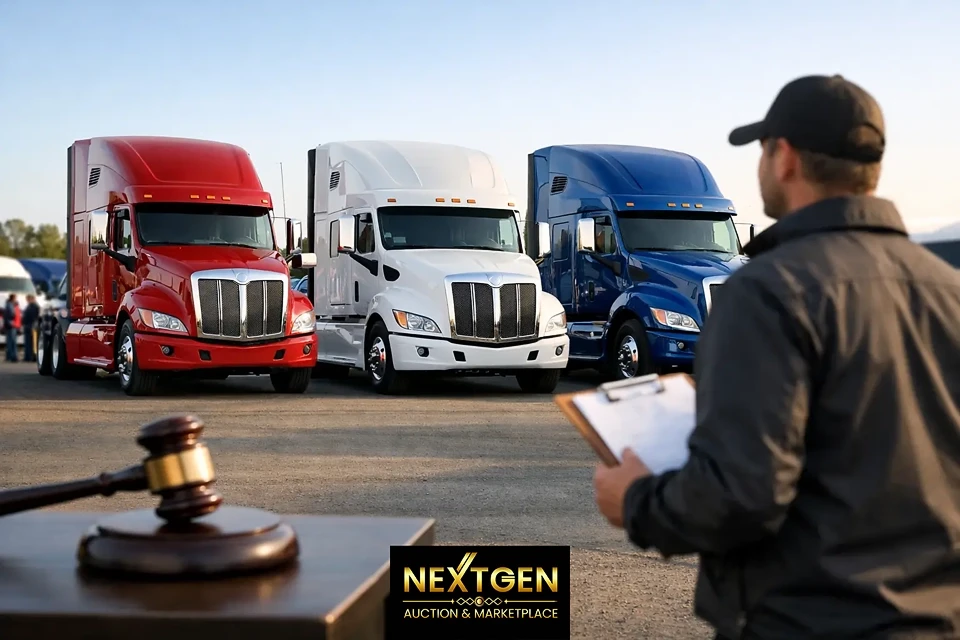
A surplus excavator sitting in the yard, a line of retired fleet vehicles, unused workshop equipment or a deceased estate collection all have one thing in common: they cost money while they wait. If you want to sell with NextGen Auctions free, the point is straightforward - put the asset in front of serious buyers without losing part of your result to vendor premiums or seller fees. For Australian operators, that matters. Fleet turnover, site closures, machinery upgrades and stock clear-outs rarely happen at a convenient time. You need a sale process that is clear, reaches the right market and does not add a sliding scale of charges after the hammer falls. What free selling actually means NextGen Auctions & Marketplace does not charge vendors a premium or seller fee to sell through the platform. There are no vendor commission scales to work through and no hidden seller charges built into the final result. The buyer pays a flat 10% Buyer’s Premium, stated upfront. That fee structure is designed to protect the vendor’s return. When buyers know exactly what premium applies, they can bid with a clearer view of their total cost. A flat 10% Buyer’s Premium also avoids the uncertainty of higher or variable buyer charges that can suppress bidding on valuable machinery, vehicles and commercial assets. Free selling does not mean skipping the practical work that helps an asset perform. Presentation, accurate descriptions, photographs, service records, location access and realistic reserve discussions still matter. If an item needs transport, repairs, cleaning, inspection or compliance work before sale, those are commercial decisions for the owner. The difference is that NextGen does not take a vendor premium simply for providing the auction channel. Why the buyer premium affects your final return Sellers often focus only on their own fee line. Buyers, however, bid on the total landed cost. A contractor considering a skid steer, for example, is weighing the bid price, buyer premium, GST where applicable, freight, repairs and the time required to get it working on site. A clear, lower buyer premium gives bidders less guesswork. That does not mean every lot will automatically achieve a particular price. Demand, condition, age, location and market timing still decide the outcome. It does mean buyers can participate knowing the premium is a simple flat 10%, rather than trying to account for a fee structure that changes with the value of the lot. For a vendor, more confident participation is the aim. Competitive bidding is what creates the best opportunity for a strong return, particularly where the asset is in demand and the listing gives buyers enough information to act. Assets that suit the auction process The auction process is particularly useful when an item has a defined market, when buyers are likely to compete, or when a business needs stock moved within a set timeframe. NextGen handles a broad mix of commercial, industrial and specialist categories rather than forcing sellers into a one-size-fits-all marketplace. This includes earthmoving and construction machinery, trucks, trailers, transport equipment, agricultural machinery, livestock, mining-related assets, plant, manufacturing equipment and workshop tools. It also extends to caravans, marine assets, transportables, vehicles, equestrian items, gemstones, jewellery, valuables, collectables and specialty goods. That category breadth matters when selling assets that general classifieds sites do not understand well. A grader, drill rig, horse float or mining lease needs buyers who recognise its working value, specification and potential. The right audience is more likely to ask useful questions, arrange inspection and place a considered bid. Auction or marketplace listing? It depends on how quickly you need the asset sold and how the market is likely to respond. A timed online auction gives a set start and finish, which can create urgency and put competing bidders in the same window. It is often a practical option for equipment dispersals, fleet changes, surplus stock and assets that need a clear sale date. A marketplace listing can suit an item where the seller is prepared to wait for the right enquiry or where the value is highly specific. Some assets need more discussion before a buyer is ready to commit, particularly specialist plant, niche collectables or equipment with unusual specifications. There is also the option of a live auction. While many auction houses have moved entirely online, plenty of vendors and bidders still value the atmosphere and pace of a live sale. Live auctions can work well for a substantial clearance, a local industry crowd or a collection where the event itself draws attention. Online auctions offer national reach and convenience. The better format is the one that fits the stock, the buyer pool and the sale deadline. How to prepare a lot buyers can assess Good auction listings are practical, not polished sales brochures. Buyers want enough detail to decide whether an asset is worth inspecting, bidding on and transporting. Start with the basics: make, model, year, serial or VIN details where relevant, hours or kilometres, condition, inclusions, known faults and location. Clear photographs do real work. Show the machine or vehicle from multiple angles, the operator area, tyres or tracks, attachments, hour meter, identification plates and any wear that a buyer should know about. For tools, jewellery, collectables or smaller items, close-up images and measurements reduce uncertainty. Supporting documents can be just as valuable. Service history, maintenance records, registration details, proof of ownership, compliance documentation and inspection reports help serious bidders assess the lot. If records are incomplete, say so plainly. Trying to hide a fault usually creates wasted enquiries and weaker buyer confidence. For operational assets, be specific about whether the item runs, drives, starts, has been tested or is being sold as-is. A simple, honest statement is better than vague wording. The same applies to accessories and attachments. If the buckets, forks, spare tyres, manuals or implements are included, list them. If they are not, make that clear before bidding starts. Set the sale up for the market you have Reserve expectations should reflect current demand, not just what an asset cost new or what it earned during its best years. A late-model excavator with service history may draw very different interest from an older machine that has been parked for two years. Freight distance can influence bidding too, especially for bulky plant, transportables and rural equipment. Timing can also shape results. Agricultural equipment may draw greater attention around seasonal buying periods. Transport operators may be more active when replacement cycles are underway. A business closure or site clean-up may have a hard deadline, making a scheduled auction more useful than holding out for a private offer. This is where a clear conversation before listing helps. The objective is not simply to get the asset online. It is to choose the right sale format, present the lot honestly and set conditions that encourage genuine buyers to participate. Sell with NextGen Auctions free without losing control Free vendor selling should not mean handing over control of your assets without knowing what is happening. Keep a clear record of each item, its condition, any finance or ownership matters that need resolving, and the documents available for buyers. Make sure the asset can be inspected or collected within the stated terms once sold. If you are selling multiple lots, group and catalogue them in a way that makes sense to buyers. Attachments should be matched to the machine where appropriate. Mixed workshop stock may work better as separate usable lots than one oversized bundle. A transport operator clearing a fleet should identify each vehicle accurately rather than relying on broad descriptions. For high-value or unusual assets, the details are often what separate a casual watcher from a committed bidder. Hours, maintenance, provenance, capacities and included equipment are not minor information. They are the basis of a buyer’s decision. The practical advantage of NextGen’s model is simple: your selling cost is not reduced by a vendor premium, while buyers see one flat 10% premium before they bid. Put the work into presenting the asset properly, choose the sale path that suits your deadline, and give the market a clear reason to compete for it.