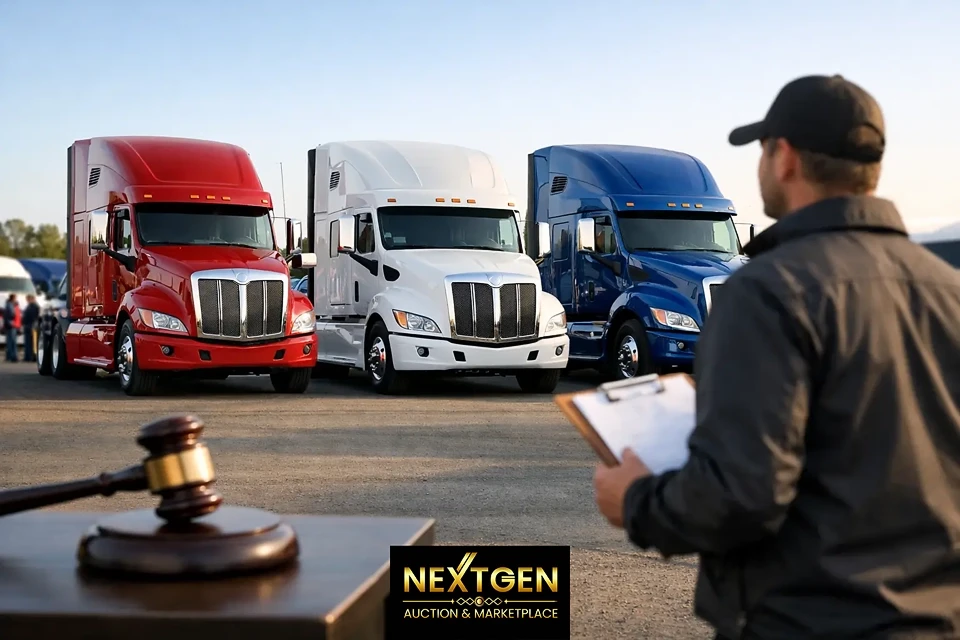
A 20-tonne excavator, a fleet of prime movers or a parcel of surplus mining equipment can attract very different results depending on how it is sold. The timed auction vs tender decision is not simply about choosing a closing date. It determines whether buyers can see and respond to competing interest, how price is established, and how much control the seller keeps over the final deal. For Australian businesses disposing of commercial assets, the right method depends on the asset, the urgency of the sale and the type of buyers you need to reach. A transparent auction can create real competition. A tender can protect confidentiality and give the seller more discretion. Neither is automatically better. Timed auction vs tender: the key difference A timed auction is an online sale where registered buyers place visible bids during a set auction period. Each new bid becomes the price to beat, and the highest bidder at close generally secures the lot, subject to the stated auction terms. If bidding arrives near the closing time, an extension may apply to give other interested buyers a fair chance to respond. A tender usually asks buyers to submit an offer by a deadline. Other bidders do not see those offers. The seller reviews the submissions and may accept the strongest offer, negotiate with one or more parties, or reject every offer if none meets expectations. That difference - open competitive bidding versus private submitted offers - affects buyer behaviour from the start. In an auction, buyers know they need to keep bidding to remain in contention. In a tender, they must decide their best price without knowing what anyone else is prepared to pay. When a timed auction is the better sale method Timed auctions are built for assets where broad exposure and price competition are likely to deliver a stronger result. They work particularly well for plant, machinery, transport equipment, agricultural gear, vehicles, trailers, marine assets, workshop equipment and other items with a recognisable market. Competition is visible and active A buyer who sees another bidder competing for a late-model skid steer, a desirable ute or a well-maintained tractor has a clear choice: raise their bid or step aside. This removes much of the guesswork that can hold buyers back in a tender. For sellers, visible bidding also provides a transparent record of how the final price was reached. The market is setting the value in real time. That is especially useful when assets have a known buyer base but no simple fixed resale price. A set end date helps move stock Businesses often need a clean disposal date. A fleet upgrade may be arriving, a site may be closing, or capital may be tied up in equipment no longer being used. A timed auction creates a defined campaign, inspection window and close date, rather than allowing an enquiry process to run on indefinitely. The format also supports national reach. A buyer in regional Queensland can bid on a machine located in Western Australia without needing to attend an on-site sale, provided they have reviewed the available information and arranged inspection where appropriate. This is valuable for specialist equipment where the right buyer may be interstate. It is easier for buyers to understand Most commercial buyers are familiar with the basic rule: bid what the asset is worth to your operation, keep the buyer's premium in mind, and bid before the auction closes. The process is direct. It does not require buyers to prepare a formal offer document or second-guess a confidential negotiation. At NextGen Auctions & Marketplace, the buyer's premium is a flat 10%, with no vendor premium or seller fees. Clear costs matter because buyers can set their ceiling with confidence, while sellers retain more of the achieved sale price. Where timed auctions need careful preparation Open competition only works when buyers have enough confidence to participate. A listing for a dozer, truck, generator or livestock lot should be accurate about condition, location, inclusions, known faults and inspection arrangements. Good photographs, service history where available, serial numbers and clear lot descriptions reduce uncertainty. Reserve pricing also needs thought. Set too high, and an asset may not sell despite genuine interest. Set too low without understanding the market, and the seller may be uncomfortable with the result. The best approach is to start with a realistic appraisal based on condition, age, hours, specification and comparable market demand. Timed auctions are less suited to assets with complex contractual conditions that must be negotiated individually. If a buyer needs a lengthy due diligence process, unusual settlement terms or approvals before proceeding, a standard auction timetable can be too rigid. When a tender makes more commercial sense A tender is usually strongest when the seller needs privacy, flexibility or a more detailed assessment of each buyer's proposal. The highest dollar figure is not always the best offer. Confidentiality matters Some asset sales are commercially sensitive. A company may be restructuring, exiting a location, disposing of a strategic asset or seeking offers for a mining-related opportunity. Advertising a public bidding process may not be appropriate if the seller wants to limit market speculation or protect operational information. A tender lets prospective purchasers submit their position privately. This can be useful where the asset is unique, the buyer pool is narrow or disclosure needs to be managed carefully. Terms can be assessed alongside price A tender can account for more than price. One buyer may offer a higher amount but need extended settlement, finance approval or special removal conditions. Another may offer slightly less but provide an unconditional purchase, faster collection and lower transaction risk. This is relevant for large industrial packages, site infrastructure, specialised equipment bundles, mining leases or assets that involve removal obligations. The seller can compare the full commercial value of each offer rather than treating price as the only measure. Buyers can submit their true best offer In a tender, bidders do not have the opportunity to incrementally increase their offer after seeing a competitor's bid. This can encourage buyers to put forward a serious first offer, particularly where the asset is rare and the buyer has a specific operational need for it. The trade-off is that a buyer may bid cautiously if they have little sense of the market. They may not want to overpay against unknown offers. As a result, tenders do not always produce the same late-stage price pressure as a well-promoted timed auction. Comparing price, certainty and control If your main objective is to achieve the strongest market-driven price for a saleable asset, a timed auction generally has the advantage. Multiple buyers can react to one another, and the public bidding process creates urgency close to the finish. If your main objective is to retain control over buyer selection and terms, a tender gives you more room to assess offers. You can favour a buyer with better settlement capability, proven experience, acceptable conditions or a practical removal plan. There is also a difference in sale certainty. A properly run auction, with clear terms and committed bidders, provides a defined outcome at close. A tender may involve further review, negotiation or a decision not to accept any offer. That can be the right choice, but it may take longer. Questions to ask before choosing Start with the asset itself. Is it a standard item with an active pool of buyers, such as an excavator, grain header, truck, caravan or workshop machine? A timed auction is likely to suit. Is it unusual, high-value, sensitive or tied to complex terms? A tender may be more appropriate. Then consider your deadline. If you need equipment sold before a replacement fleet arrives or before an end-of-financial-year stocktake, a scheduled auction provides useful structure. If you can wait for selected buyers to complete due diligence, a tender can be worth the additional time. Finally, consider what creates value. For some assets, the answer is broad competition. For others, value comes from finding one capable buyer who understands the asset and can meet the seller's conditions. The sale method should match that reality, not just follow habit. Give buyers enough information to act Whether you choose a timed auction or tender, presentation has a direct impact on the quality of responses. Buyers need to know what is included, where the asset is located, its operating condition, whether inspection is available and what collection or settlement requirements apply. For machinery and vehicles, include hours, kilometres, service records, identification details and known repairs where possible. For asset packages, make it clear whether buyers are bidding or offering on individual lots or the complete package. Unclear information leads to cautious buyers, delayed decisions and weaker outcomes. The practical answer to timed auction vs tender is simple: use an auction when open competition is likely to lift the result, and use a tender when confidentiality, conditions or buyer quality need closer control. A realistic appraisal and a sale process matched to the asset will do more for your return than choosing a format on name alone.